Design Practice Group
Professor Emeritus W. Mike Martin Phd FAIA Archival Site 11/25
OVERVIEW
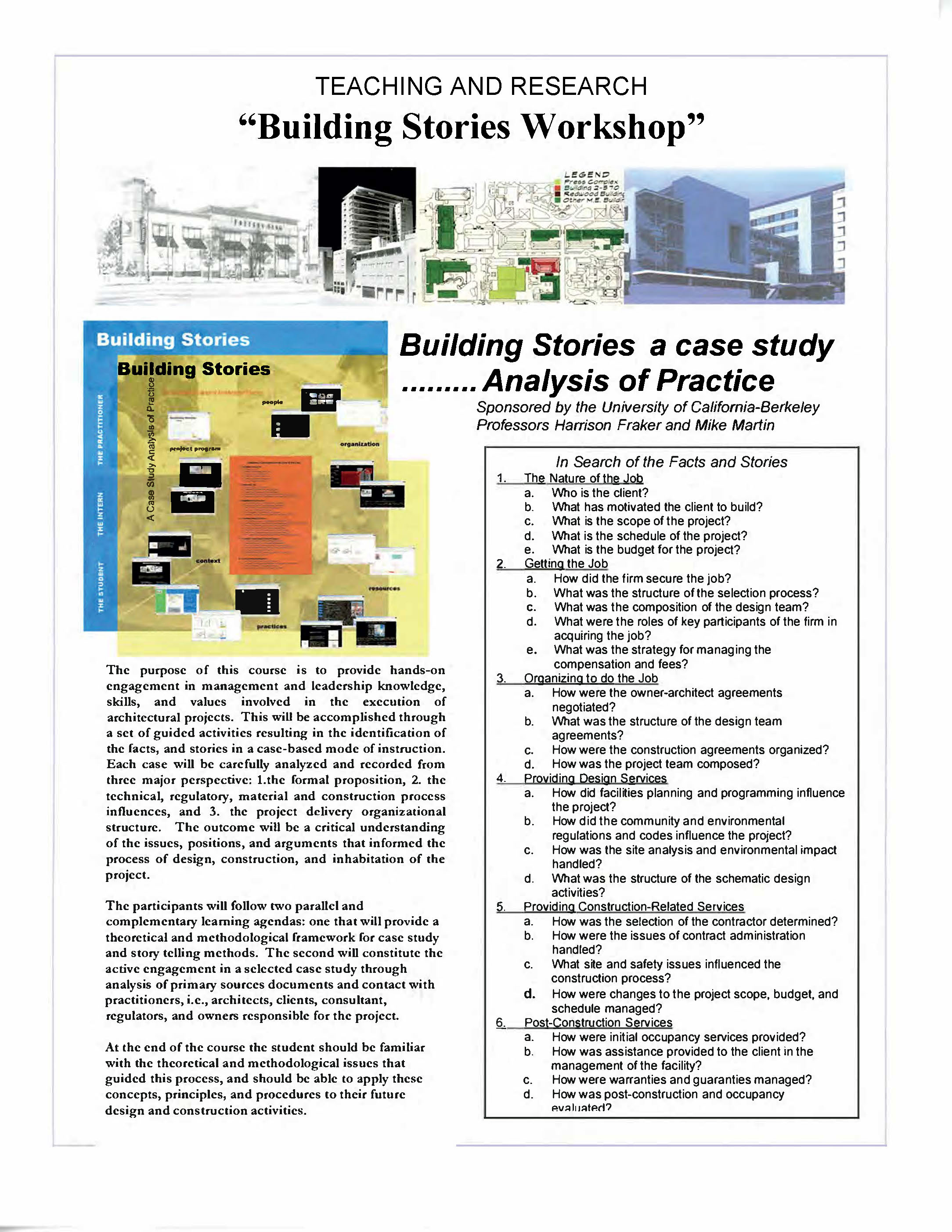
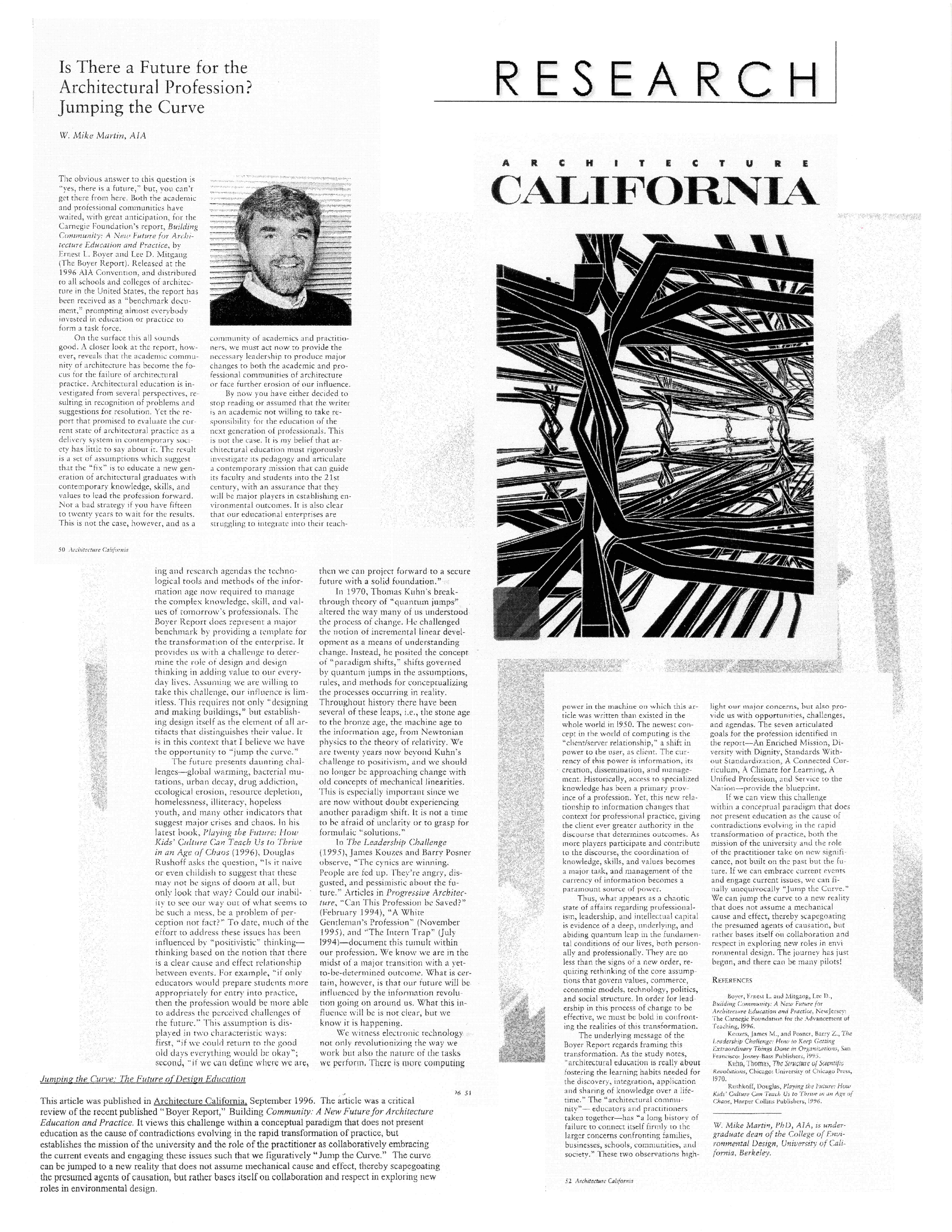
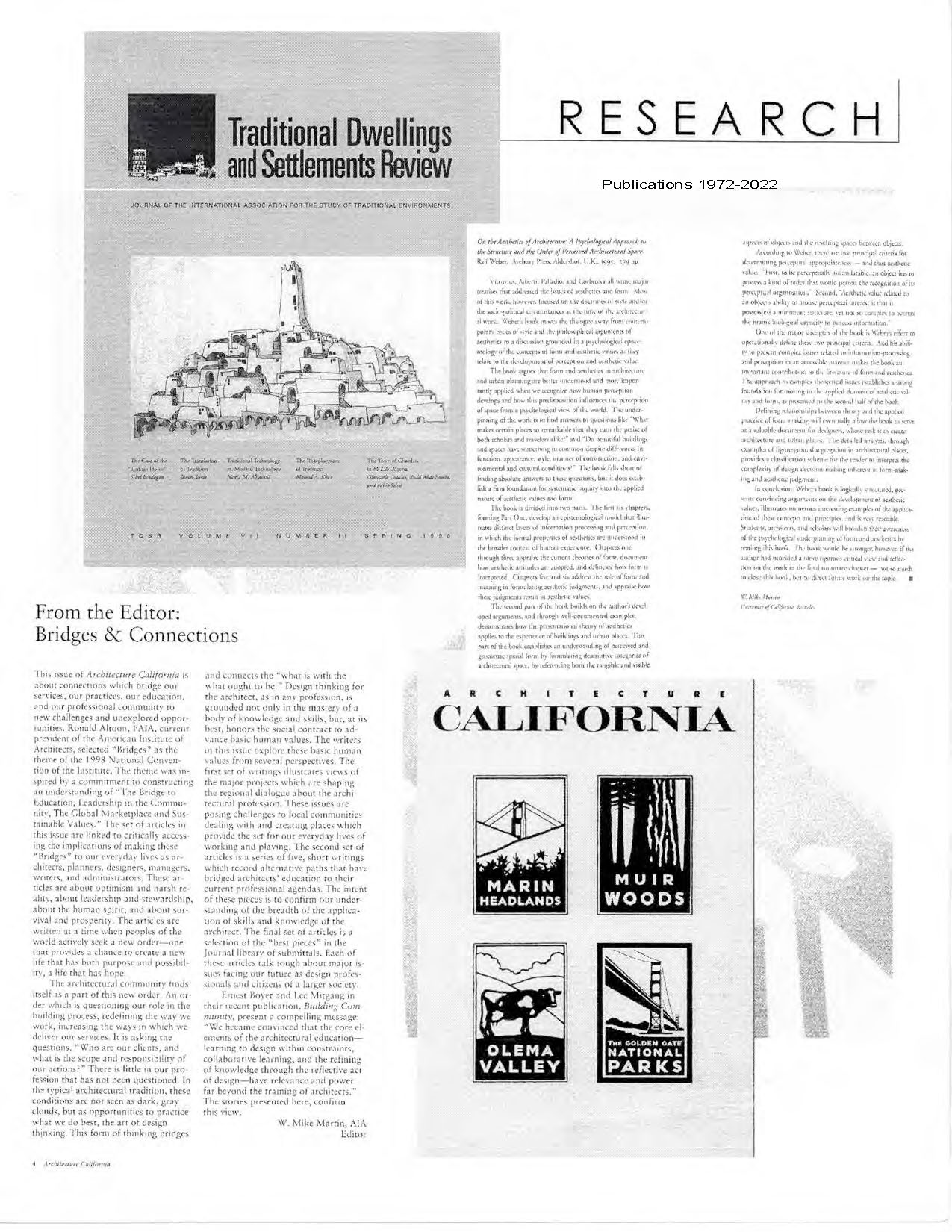
Professor Mike Martin has been at University of California-Berkeley for the past 29 years in the Architecture Department of the College of Environmental Design. He served as the Undergraduate Dean of CED for 11years and completed a 3-year term as Chair of the Architecture Department in 2008. He was the University of California Systems Education Abroad Director for Scandinavia from 2006 to 2008. An Adjunct Professor at Stanford for six years, an Adjunct Professor at the Royal Danish Academy for eight years, and a Professor at The Danish Institute of Studies for 10 years.His teaching and research focuses on the study of practice, collaborative design, work-studies of practice, and storytelling as a means of knowledge transfer. Digital media is central to his process of representation of knowledge transfer from practice.Current writings include Fundamental Processes in Concurrent Design and Construction, Progress Through Partnerships: The Changing Profession/Changing the Profession, Storytelling as a method of knowledge production in practice and Expert Intuition as Evidence in Practice. He is a Fellow of the American Institute of Architects and a recipient of the 2005 AIA College of Fellows Latrobe Fellowship for Research.His recent book “Design Informed: Driving Innovation With Evidence-Base Design,” has just been published by John Wiley & Sons, Inc, July 2010. He served as President Elect of the San Francisco Chapter of the AIA. Served as editor of Architecture California (AIACC) for six years. Received an Honorable Mention in the 2002 NCARB Prize for his Building Stories: A Case Study Analysis of Practice. He most recently was selected by the San Francisco Chapter of the AIA As the Educator of the year for 2024 and by the BSA for the Distingished Eagle Scout Award for contributions to society through his work.
EXECUTIVE SUMMARY:
Professor Mike Martin has been an academic for over 40 years, the last 29 years at the University of California at Berkeley in the Architecture Department of the College of Environmental Design. As a faculty member he teaches and conducted research in Design Methods and Theory. The teaching and research focuses on the study of practice, collaborative design, work-studies of practice, and storytelling as a means of knowledge transfer. Digital media is central to his process of representation of knowledge transfer from practice. His recent book, in collaboration with two other authors, Design Informed: Driving Innovation Through Evidence-Based Design is critical to summarizing his work. He has published and presented over 35 papers on the relationship of education and practice, knowledge production in practice, design thinking, and future trends of the design professions. Was the co-recipient of the 2005 AIA College of Fellows Latrobe Fellowship for Collaborative Research and received an Honorable Mention in the 2002 NCARB Prize for the work on Building Stories: A Case Study Analysis of Practice. Current writings include Integration of Human and Building Performance Through Design Collaboration, Fundamental Processes in Concurrent Design and Construction Delivery Systems, Progress Through Partnerships: The Changing Profession/Changing the Profession. Served as the Undergraduate Dean of CED for 11years and completed a 3-year term as Chair of the Architecture Department from 2003-2006. Was the University of California Systems Education Abroad (EAP) Director for Scandinavia in 2006-2008. He is a Fellow of the American Institute of Architects. Served as President Elect of the San Francisco Chapter of the AIA and was editor of Architecture California (AIACC). He holds an adjunct faculty appointment in the Department of Civil Engineering at Stanford University. Currently serving as a Visiting Professor at the Danish Royal Academy of Architecture and at Denmark’s International Studies Program (DIS) teaching design methods, design thinking and practice courses in Copenhagen, Denmark.
EDUCATION:
December 1983
Ph.D., Architecture – Department of Architecture, College of Environmental Design
University of California, Berkeley, CA.
Dissertation Topic: A Conceptual Model of Design Education
August 1971
Master of Architecture – Department of Architecture,
College of Architecture and Urban Planning, University of Washington, Seattle, WA
Thesis Topic: Architectural Programming Techniques for
the Design and Evaluation of Educational Facilities
December 1969
Bachelor of Architecture (with Special Honors)
School of Architecture, University of Colorado, Boulder, CO.
Thesis Topic: A High-Rise Office Complex in Lakewood, CO.
AWARDS AND HONORS:
- Sandra Vivanco, AIA Education Award, San Francisco Chaper AIA, 2024
- National Eagle Scout Association Distinguished Eagle Scout for Career Contributions, Award 2024
- American Institute of Architects California Council “Honor Award for Excellence in Education 2010.”
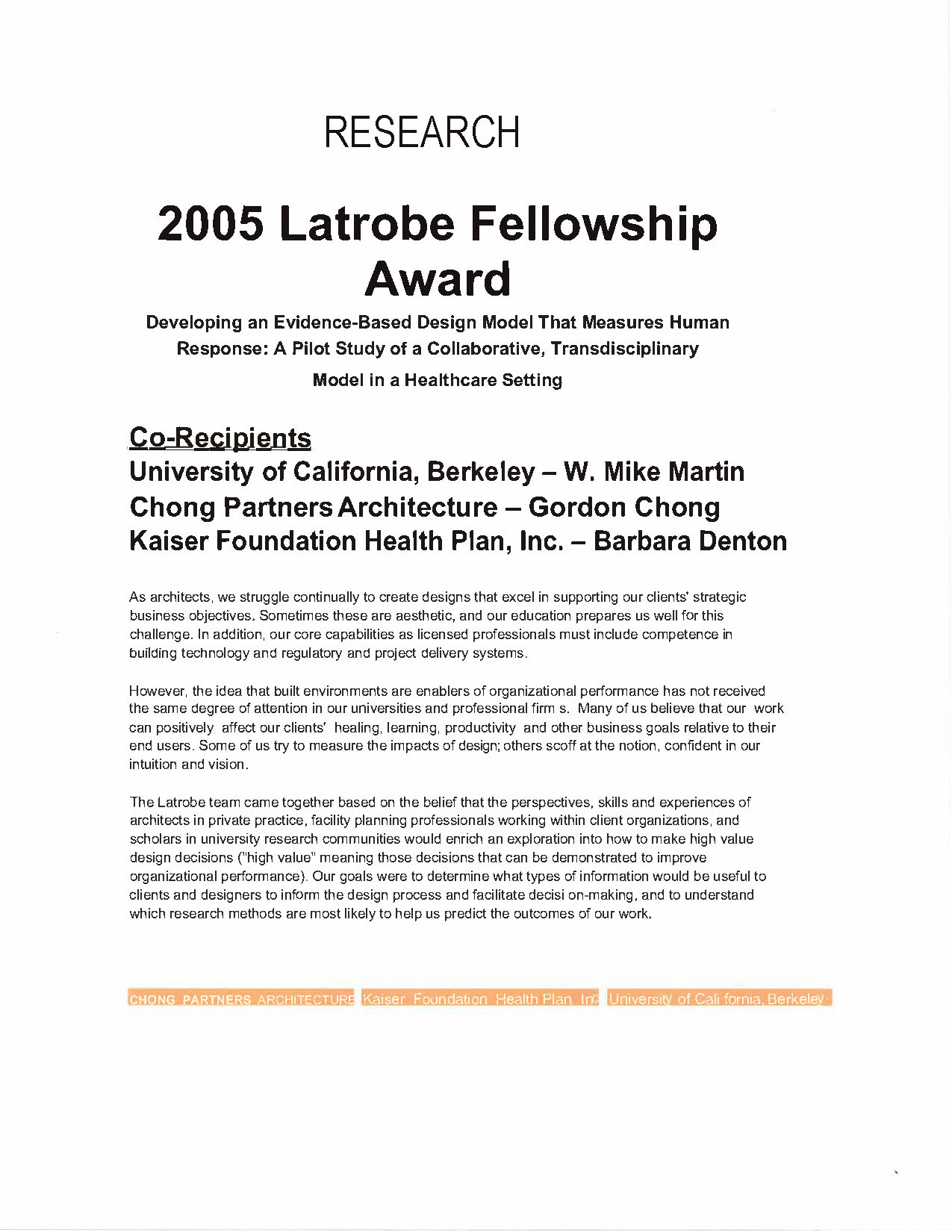
- College of Fellows of AIA Latrobe Fellowship 2005
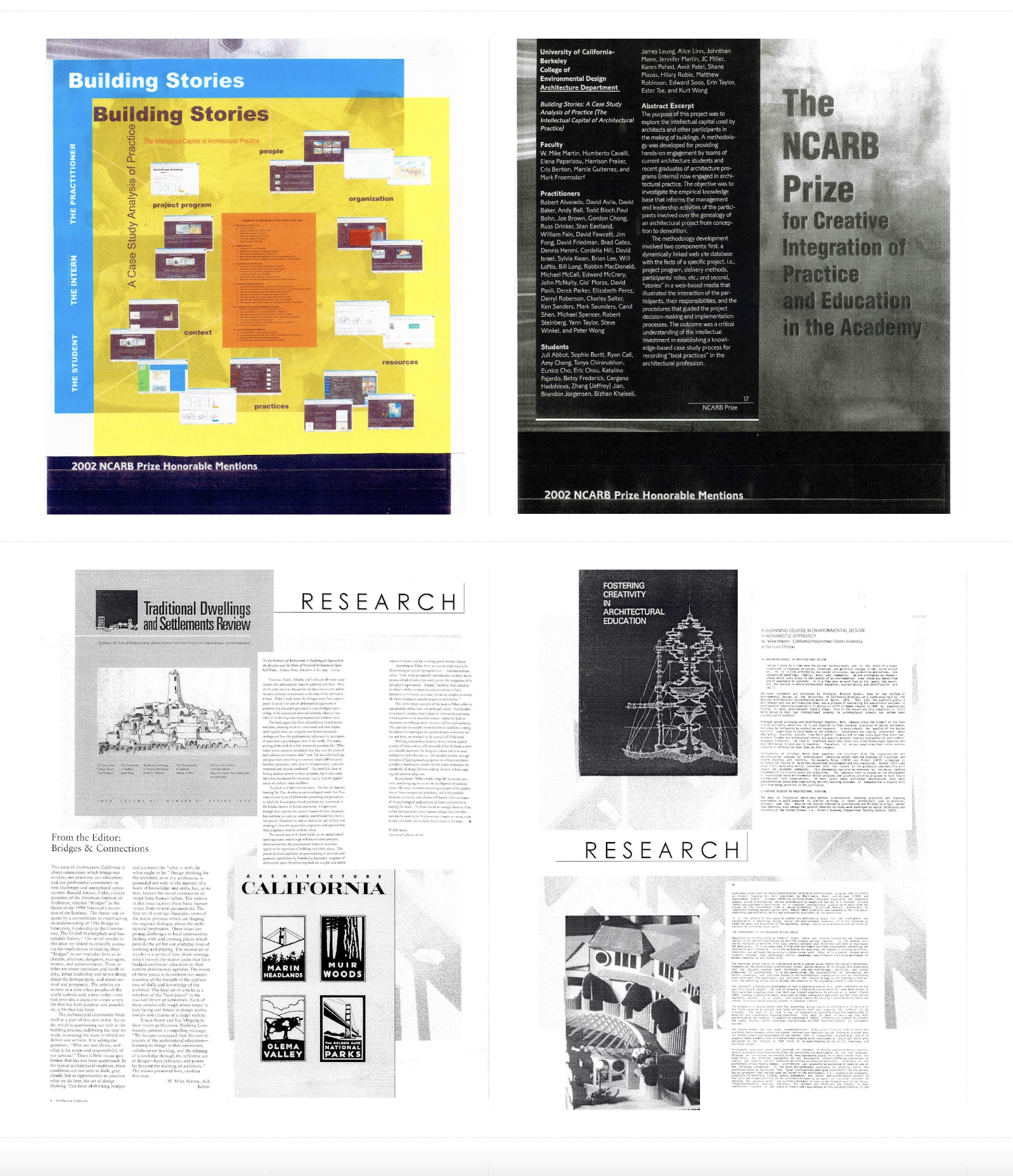
- NCARB Prize Spring 2002 Honorable Mention for “Building Stories: A Case Study Analysis of Practice. April 2002
- Special Commendation, AIACC, Editor of Architecture California, 2000
- A.I.A. Fellowship–American Institute of Architects, 1999
- Meritorious Performance Award California Polytechnic State University 1986, 1989
- Stanley M. Tasheira Fellowship Graduate Study University of California-Berkeley.
- University of California Teaching Fellowship for Graduate Study, University of California-Berkeley.
- University of Colorado President’s Award Top Campus Undergraduate Student 1969.
- American Institute of Architects Pittsburgh Plate Glass Industry Foundation Fellowship Graduate Study.
- Colorado Society of Architects Robert K. Fuller Scholarship Graduate Study.
- American Institute of Architects Third Year Design Certificate 1968.
- American Institute of Architects Medal and Certificate of Merit 1969.
- Tau Sigma Delta Honor Society in Architecture and Allied Arts. 1967
TEACHING EXPERIENCE:
• 1992-2022–Department of Architecture, University of California Berkeley. Responsible for teaching design theory & methods, the practice of design, design thinking, and introduction to design.
• 2007-2017–Adjunct Professor, Danish Royal Academy of Architecture, Copenhagen Responsible for teaching design process and practice, and knowledge production methods and theories and theories.
• 2005-present 2016–Visiting Professor, Danish Institute of International Studies, Copenhagen, Denmark. Responsible for teaching a course on “Methods in Your Design Practice.”
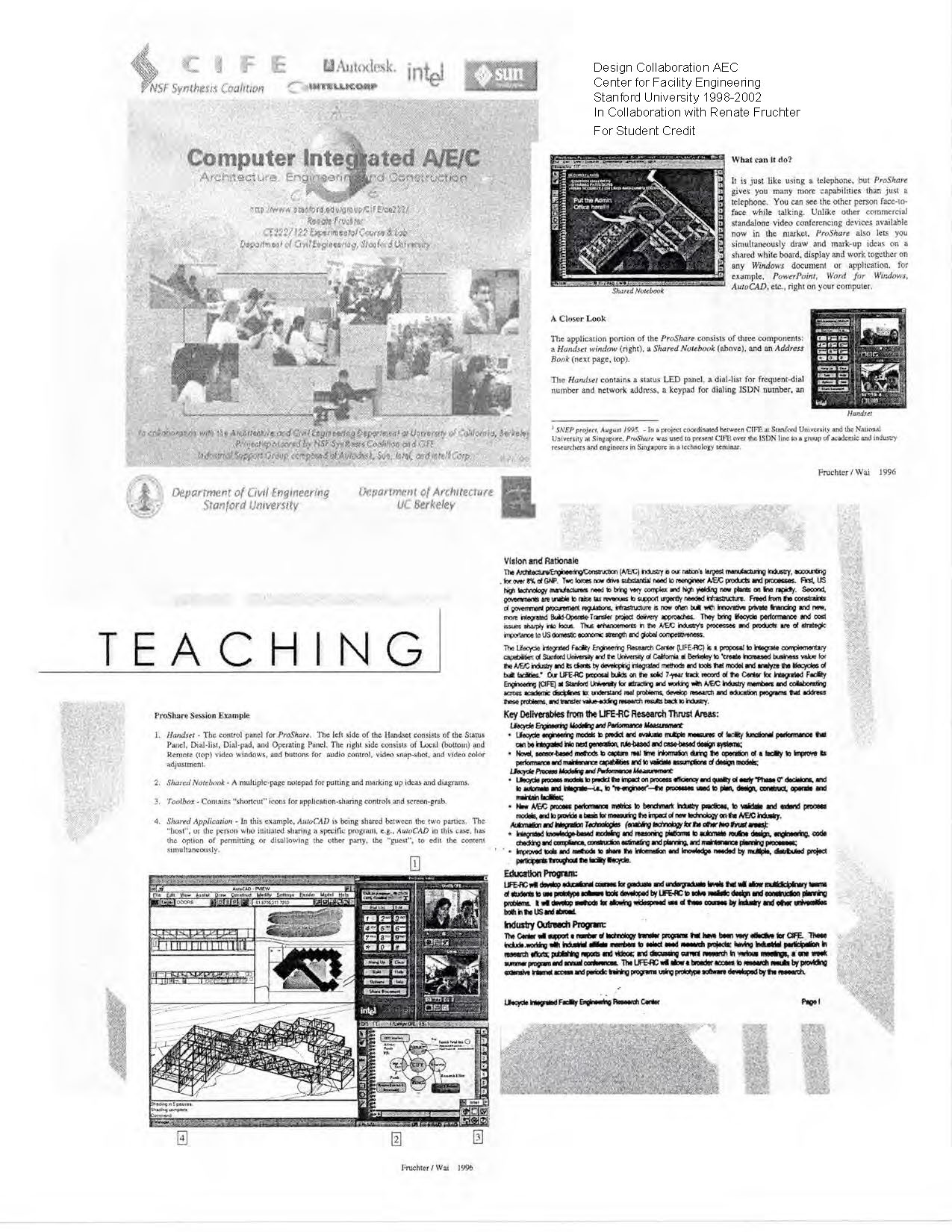
• 1990–present Adjunct Professor, Department of Civil Engineering, Architecture Program Stanford University. Responsible for teaching a collaborative design studio of architecture, structural engineering, and construction management students engaged in new models of practice.
• 1985-1992– Department of Architecture, School of Architecture and Environmental Design, California Polytechnic State University, San Luis Obispo, CA. Responsible for teaching architectural design studio, design theory and methods seminar, and creative problem solving seminar.
• 1980-1985– College of Environmental Design, University of Colorado, Boulder, CO. Responsible for teaching environmental design studio, social and behavioral factors of design, design methods and theories, perspectives of environmental design.
• 1978-1980–Department of Architecture, College of Architecture and Design, Kansas State University, Manhattan, KS. Responsible for teaching beginning design studios and fourth year architectural design and coordination of the architectural internship program. (on leave 1976-1978)
• 1976-1978–Department of Architecture, College of Environmental Design, University of California, Berkeley CA.Teaching Assistant : Professor R. Lifchez, Professor C. Stoller. Responsible for teaching social and behavioral factors as design determinants, and introductory design and drawing.
• 1971-1976–Department of Pre-Design Professions, College of Architecture and Design, Kansas State University, Manhattan, KS. Responsible for teaching introductory problem solving and design, social and behavioral factors of design, and design theories and methods.
• 1970-1971–Department of Architecture, College of Architecture and Urban Planning, University of Washington, Seattle, WA. Teaching Assistant: Professor C.Siligman. Responsible for teaching basic design principles and introductory drawing and graphic skills.
COURSES TAUGHT:
- University of California Berkeley
- Arch229B–Building Stories, fall-2001-2006, fall,Topics professional practice, Seminar
- Arch 207D-Architectural Professional Practice spring 2010-2016, Lecture
- Arch201–Advanced Architectural Design, spring-2000-2001, Studio
- Arch 130–Design Theory and Methods, spring-1996,1999, 2001, 2004, lecture
- Arch 128–Architectural Internship, fall-1998-2002, 2004-2006, Seminar
- Arch 120–The Practice of Design, fall-1995, 1998, 2002, Lecture
- Arch 24–Design Thinking and Innovation, seminar spring 2002-2006, spring 2009- 2021, Seminar
- ED 11B–Introduction to Design, spring-1993-1998, Studio
- ED01–Introduction to Environmental Design, spring-1999-2006 and spring 2014, summer 2009, 2011-2019
- Danish Royal Academy School of Architecture
- Masters Studio on Design Theory and Methods 2006-2016
- Stanford University
- CE 138–Design Theories and Methods, summer 2006
- CE 151–Integrated Collaborative Design, spring 1996-2016
- Danish Institute of International Studies (DIS)
- DIS120–Design Methods in Your Practice, fall 2009-2011
- DIS 300–Design Studio, summer 2002-2006
- California Polytechnic State University San Luis Obispo
- Arch 101–Introduction to Design, fall-1986-1988, studio
- Arch 100–Design and the Profession, spring-1985-1992, lecture
- University of Colorado Boulder
- Envd 200–Introduction to Environmental Design, fall-1981-1985, studio
- Envd 100 Design and People, spring-1981-1985, lecture
- Kansas State University Manhattan
- PDP 100–Basic Design, fall 1971-1976, studio
- PDP 200–Introduction to Architectural Design, spring-1971-1976, studio
- Arch 400–Advanced Architectural Design, fall-1978-1980, studio
- Arch 401–Advanced Architectural Design, spring-1978-1979, studio
DISSERTATIONS AND THESES:
- Humberto Cavillin–PhD advisor, dissertation chair, graduated 2007, Educating the Intuitive Designer: Intuitions and Implicit Learning in Architectural Design
- Beatrice Benne–PhD advisor, qualification exam chair, dissertation committee member graduated 2005, Techno-Organizational Models to support Construction Industry Work Processes
- Amy Elliott–PhD advisor, qualification exam chair, dissertation committee member graduated 2003, Computational Support for Sketching and Image Browsing During the Early Phases of Architectural Design
- Clara Irazabal–PhD advisor, qualification exam chair, dissertation committee member graduated 2003, Curitiba and Portland: Architecture,City Making, and Urban Governance in the Era of Globalization
- Tom Spector–PhD, qualification exam chair, member dissertation committee graduated 2003, Ethics in Design Action
- George Elvin–PhD advisor, qualification exam member, chair dissertation graduated 1999, Project-Based Collaborative Design
- Elijah Mirochnik–PhD advisor, dissertation chair, graduated 1997, Teaching in the First Person
- Amy Hwang–M.Arch, thesis advisor, graduated 2010, Control, Authorship and Liability: Change in the Architect’s Role in Collaborative Design and Delivery Processes
- Huey Ying Hsu–M. Arch, thesis chair, graduated 2010, PhD Advisor, Two Case Studies: Kahn & Post-and-Beam Systems
- Katherine Speicher–M. Arch, thesis committee member, graduated 2005, Constructed Textures and the Cognition of Space
- Elena Paparizou–PhD qualification exam member and dissertation committee member, MSc. advisor and thesis committee member, graduated 2002, Transfer of Knowledge: A Study of Learning in the Beginners’ Design Studio
- Tim Stockwell–MSc thesis committee member, graduated 2001, Perspectives on the Literatureof Collaboration and Design Action
- Eser Turan–M. Arch thesis chair, graduated 1998, Thinking Design Thinking
SELECTED PUBLICATIONS:
- “Expert Intuition and Evidence-Based Design”, W. Mike Martin, arcCA, California Council of the American Institute of Architects, May 2012
- Design Informed: Driving Innovation with Evidence-Based Design, W. Mike Martin, Gordon H. Chong, Robert M. Brandt, John Wiley & Sons, July 2010.
- “Different by Design,” W. Mike Martin, Humberto Cavillin, & Ann Heylighen, The Journal of Artificial Intelligence for Engineering Design, Analysis and Manufacturing, 2007.
- “Knowledge Sharing in the Wild: Building Stories Attempt to Unlock the Knowledge Capital of Architectural Practice,” W. Mike Martin, Ann Heylighen, The Journal Architectural Engineering and Design Management Oct. 2005.
- “How to Teach and Archive Tacit Design Knowledge,” Ann Heylighen, W. Mike Martin & Humberto Cavallin, Design Intelligence, Vol. 11, No.6, June, 2005.
- “Mind the Gap: Toward Knowledge Exchange Between Practice and Academia,” Ann Heylighen, Jonas Lindekens, W. Mike Martin, & Herman Neuckermans, NETHCA Colloquium Proceedings: The Unthinkable Doctorate, Brussels (Belgium), April 2005.
- “Mind-ing the Task: The Role of Context in Usability Research,” Humberto Cavallin, W. Mike Martin & Ann Heylighen, SID 2005, Proceedings of the 4th Social Intelligence Design Workshop, Stanford (Ca), March 2005.
- This is not a Caucus-Race Or Why Upgrades in Software GUIs Will (not necessarily) Make (all) Users (instantly) More Productive,” Humberto Cavallin, W. Mike Martin & Ann Heylighen
- SID 2005, Proceedings of the 4th Social Intelligence Design Workshop, Stanford (Ca), March 2005.
- “The Right Story at the Right Time Towards a tacit knowledge resource for (student designers,” W. Mike Martin, Ann Heylighen, AI & Society, 19(1): 34-47, Nov. 2005.
- “From Repository to Resource: Exchanging Stories of and for Architectural Practice,” W. Mike Martin, Ann Heylighen, Journal of Architectural Research. Volume 4, Issue 3, August 2004.
CONFERENCES, WORKSHOPS, INVITED LECTURES:
- 2117
- Stories of Practice: Illustration of the Changing Nature and Context of Professional Practice, UC Berkeley Professional Practice Seminar
- 2016
- Knowledge Production in the Profession: How is Evidence Illustrated in Design Decisions, Royal Danish Academy, Workshop
- 2014
- Expert Intuition and Evidence, Department 3 Royal Danish Academy of Architecture, Design,and Conservation
- 2011
- Knowledge Production in the Wild: An Attempt to Unlock the Knowledge Capital of Architectural Practice, Live Projects Symposium, Oxford Brookes University, May 2012
- Searching or Researching: Do Architects do Research?, School of Architecture, Leuven University, Leuven, BelgiumOctober 2011.
- Design Informed: Harvesting Knowledge in the Wild, KA Connect, San Francisco April 2011
- Design Informed: Innovation through Evidence-Based Design, Cal Poly State University, San Luis Obispo, CA. April 2011
- 2010-2009
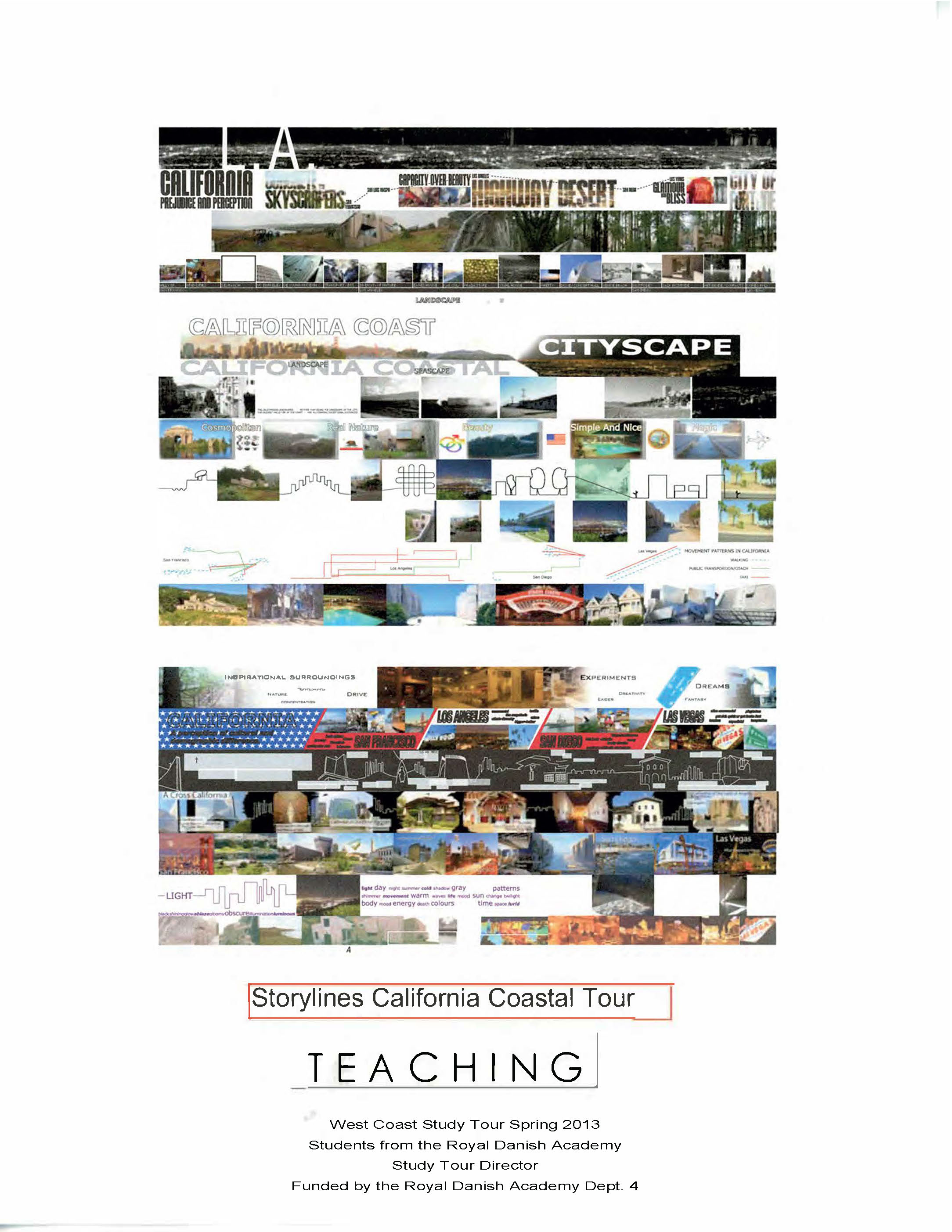
- Coastal Tour of California Workshop, Royal Danish Academy Student Faculty Tour Sea Ranch to San Diego + Las Vegas, Feb. 2010.
- “Jumping the Curve: Changes in the Architectural Address,” School Year Opening Address, Royal Danish Academy of Fine Arts School of Architecture, September 2009.
- Building Stories Workshop, Royal Danish Academy, Spring
- 2006, 2007“
- Research in Architecture: Perspectives and Paradigms.” Royal Danish Academy of Fine Arts School of Architecture, Copenhagen Denmark, February 2006-2007.
- 2005-2004
- “The Thick Now: Tracings of Past, Present, and Futures of Environments in Flux,” ADSL (Antwerp Design Seminars and Lectures), Henry van de Velde Institute in Antwerp, Antwerp Belgium January 2006.
- “Knowledge Production in the Wild”, CIB W096 Architectural Management, The International Council for Building Research and Innovation in Building and Construction (CIB), Technical University of Denmark, Lyngby, Denmark, Oct. 2005.
- “Knowledge Exchange in the Wild,” AIA Northwest +Pacific Regional Conference, Seattle, WA, August 2005.
- “Mind the gap: Toward knowledge exchange between practice and academia,” the Unthinkable Doctorate NETHCA Colloquium, Brussels (Belgium), April 2005.
- “The student, the Architect, his Intern and her Knowledge,” EAAE/ARCC Conference—Between Research and Practice, Dublin Ireland, June 2004.
- “Building Stories Light Workshop, ADSL (Antwerp Design Seminars and Lectures), Henry van de Velde Institute in Antwerp, Antwerp Belgium January
- “Knowledge Production in the Wild,” Keynote Address, Western Regional Conference of the American Institute of Architects, Seattle Washington, August 2005.
- 2002-2003
- “Berkeley’s A/E/C Collaborative Design Studio,” ASCE ICCCBE-VIII 10th International Conference on Computing in Civil and Building Engineering, Stanford University, August 2002.
- “Research in Practice: The Latrobe,” University of Hawaii, Architecture Program, spring 2003
- “Doctoral Education in Architecture,” Association of Collegiate Schools of Architecture, National Conference, Salt Lake City, Utah, April
- “Building Stories: A Model for Practicum Education,” Ball State University April 2003
RESEARCH ACTIVITIES:
- 2002-Present
- Latrobe Fellowship: Model of Research in Architectural Practice, College of Fellow of the American Institute of Architects, $100,000
- Building Stories: Knowledge Production in Practice, University of California, 2012-2015 various amounts-range from $3000 to $500.
- Nursing Environments: Evidence Based Design Collaborative Research Project, Chong Parnters Architects $12,500
- AutoCAD Productivity Studies: The Human Computer Interface, AutoDesk Corporation, San Rafael CA-funded $67,500.
- Obayashi-Project Based Learning Global Teamwork Network Hub Obayashi Corporation, Tokyo Japan, Sponsored Project, funded $42,852
- Building Stories: A Case Study Approach to Practice, William Wurster Society College of Environmental Design, Univ of California –Berkeley funded $9,500
- 1999-2001
- International Joint Research and Development for Modeling Virtual University, Project-Based Learning Space, A Joint Aoyoma-Stanford-Nihon-Berkeley-Georgia Tech, Unisys MITI Sponsored Project, funded $295,000.
- 1997-1998
- Collaborative Design, CIFE, Stanford University, National Science Foundation Synthesis Project, $65,000 funded,
- 1996-1997
- Engineering Research Center, Univ. of California & Stanford University, Joint Proposal, $1.2 mil for 10 years. Not funded.
- 1991-1992
- World House Competition Grant, Jim Gregory and Associates, $25,000, funded
- 1989-1990
- Architectural Education: The Core Curriculum. American Institute of Architects, $4000, joint proposal with Roger Schluntz. not funded.
- Personality as Predictors of Conflict Behavior in Collective Design Acts. CARE Grant, CSU $ 3500, funded.
- 1986-1987
- Seventh Street Los Angeles, CA. Documentation Project, Community Redevelopment Authority Agency, $65,000, funded.
- 1984-1985
- Natural Hazard Data Translation for Public and Private Sector Utilization, Co-investigator with Spenser Havlick, Natural Hazard Consortium, Institute of Behavioral Sciences, University of Colorado, $9800, funded.
- 1983-1984
- Personality Pre-dispositions & Design Performance, University of Colorado, Office of the Vice for Academic Affairs, $6200, funded.
- Capital Plaza Redevelopment Competition, Competition Advisor, Principal investigator, The Denver Partnership, National Endowment for the Arts, $25,000, funded.
- Building Science Center, University of Colorado, Grant proposal to the National Science Foundation Research Associate, principal investigators Drs. Ko and Claridge, $286,000, not funded.
- 1982-1983
- Evaluation of the University Year for Action Program in Selected Colorado Institutions of Higher Education, Center for Community Design and Development, University of Colorado, $2800, funded.
- An Appropriate Technology Curriculum at Colorado Mountain College, Glenwood Springs, CO., Co-investigator with Larry Pulso, Kellogg Foundation, $18,000, funded.
- Proposal for the Utilization and Dissemination of Scientific Information for Energy-Impacted Communities in Western Colorado, Co-investigator Spenser Havlick, Exxon Synthetic Fuels Department, $127,000, not funded.
- 1981-1982
- An Analysis of the Effectiveness of Energy Education Workshops on the Design of the Built
- Environment, Colorado Energy Research Institute, $3900, not funded.
- Community Base Education: A Boulder Community Design Center, Co-investigators Michael Smith and Mark Murphy, National Endowment for the Arts, $10,000, funded.
- Organizational Structures and Service Components of Schools of Environmental Design, Office of the Vice Chancellor for Academic Affairs, University of Colorado, Co-investigator Allan Wallis, $2500, funded.
- 1979-1980
- Accessibility and Historic Educational Facilities, Association of Physical Plant Administrators, $500, funded.
- Participatory Design Methods in the Social and Physical Rejuvenation of a Historic Neighborhood,
- Tennessee Town Topeka, KS, Topeka Community Development Association, $1800, funded
- The Disabled as Consultants in Design Education, College of Architecture and Design, Kansas State University Bureau of Research, $2500, funded.
- Design Workshop and Proposal for a Solar Addition to the University for Man House, Manhattan, KS. Co-investigator Gary Coates, Kansas Energy Commission, $50,000, funded and construction completed in November 1981.
- 1978-1979
- Architectural Design Education with the Handicapped User in Mind, Principal Investigator: Raymond Lifchez, Exxon Educational Foundation, Field-testing instructional materials, $75,000 funded.
- Intentions, Attitudes, and Assumptions: Their Impact on the Level of Design Task Performance, Bureau of Research, Kansas State University, $500, funded.
- 1976-1978
- Mandatory Continuing Education for Architects, Co-investigator Joseph Esherick, Department of Architecture, College of Environmental Design, University of California & the California Office of Consumer Affairs, $1800, funded.
- Alternative Careers for Architectural Graduates, Association of Collegiate Schools of Architecture, $800, funded.
- Personality Traits as Predictors of Student’s Grades, Center for Instructional Improvement, University of California, $ 750, funded.
- 1970-1971
- Evaluation of Selected Primary and Secondary Schools in the State of Washington, Bureau of School Services and Research, University of Washington, $4500, funded.
PROFESSIONAL REGISTRATION AND SERVICE:
- AIA California Council Board of Directors 2018-2020
- Advisory Board Member, Architecture Program at Stanford University 2004-2012
- Chair Mentor, NAAB Accreditation Visit, North Carolina State University, February 2006
- Latrobe Fellow of the College of Fellows of AIA 2005
- Chair, of Case Study Prize Selection Committee, Seattle Chapter of the AIA, May 2005
- Co-Chair, NAAB Accreditation Visit, Architecture, Taliesin West, Scottsdale, AZ. March 2005
- Chair, Academic Quality Assessment and Development Report, Department of Art and Art History, College of Humanities and Fine Arts, University of Massachusetts Amherst, Nov. 2004
- Chair, NAAB Accreditation Visit, Drury University Hammons School of Architecture, Feb. 2004
- Chair, Consultants’ Report on the PhD Program in Architecture, School of Architecture & Urban Planning, University of Wisconsin/Milwaukee, May 2004
- Chair, NAAB Candidacy Accreditation Visit, Architecture Department, University of Massachusetts-Amherst, Nov. 2002
- Member California Board of Architectural Examiners Professional Qualification Committee 2002-2004
- Vice/President/President Elect of San Francisco Chapter of AIA 2004/2005
- Chair, NAAB Accreditation Visit, Architecture, Florida A&M University, September 2000
- Chair, NAAB Accreditation Visit, Architecture, Princeton University, February 1999
- Fellow American Institute of Architects 1999
- Interim Director Facilities Planning Cal Poly 1991-92
- Registered Architect, California No. C17038, NCARB Certificate No. 3230
- Member, American Institute of Architects 1984- present
- National A.I.A. Architects in Education, 1985-1990, Chair 1990
- Member National Architectural Education Initiative A.I.A. 1988-90
- President, California Council of Architectural Educators, 1988, 1989
- Chair, California Board of Architectural Examiners Oral Examine Task Force, 1986-88
- Member, ACSA Editorial Board, Journal of Architectural Education 1989-1994
- Editor, Architecture California, AIACC Jan 97-June1999
- Member, NAAB Candidacy Accreditation Visit, Architecture, Drury College, March 1995
- Member, Architecture California Editorial Board, 1991-1996, Chair 1993
- Member, NAAB Accreditation Visit, Architecture, University of Texas-Austin, February1993
- CBAE Oral Examination Commissioner, 1985-1994
- Member, NAAB Accreditation Visit, Architecture, Washington State University, March 1990
PROJECTS AND CONSULTANCIES:
- 1992-2013
- AutoCAD Utilization Study AutoDESK
- 2008 and 2010
- Office of Undergraduate Admission Utilization Study. Spring 2003
- Martin Residence, 22 Chancellor Lane 1998
- Design Management Consulting Performing Arts Center ($30mil) and Conceptual Campus Master Plan California Polytechnic State University San Luis Obispo, CA. 94307
- 1976-PRESENT
- C.E.D.A.R. Architects, (The Center for Environmental Design, Architecture & Research) principal, Manhattan, Kansas, Boulder, CO. San Luis Obispo, CA., & Oakland, CA. Projects have included residential, commercial, and institutional planning, programming, design, construction administration, and post-construction evaluation. Consulting activities include environmental impact analysis, energy audit, life-cycle costing studies and evaluations.
- 1974-1975
- Environmental Habitat Inc. principal, Manhattan, KS. Projects included residential and commercial planning, programming, design, and construction administration.
- 1971-1973
- McCullough Design Co., Project Architect, Manhattan, KS. Projects included single and multi-family housing development, design, and construction.
- 1968-1970
- Facilities Management Office, Univ. of Colorado Boulder, CO., Project Designer, Projects included the interior space planning Porter Science Building, Packer Grill Renovation, Computer Center Renovation and selected space planning projects throughout the University of Colorado facilities on Boulder, Denver, and Colorado Springs campuses. Tasks required coordination of capital programming, design professional and other consultants, review of contract documents, budget management, client interactions.
- Smith, Hinchman, Grylls, Architecture and Planning, Detroit Mi. Designer and Inspector. Projects included the field design and project management for Phase 1 through 6.
UNIVERSITY SERVICE ACTIVITIES:
- 67
- University of California-Berkeley
- BAM/PFA Architect Selection Committee
- Council of Undergraduate Deans
- CED Executive Committee
- CED Undergraduate Education Taskforce
- CED Committee on Courses
- University Council on Student Progress
- Architecture Department Ph.D. Committee
- Architecture Undergraduate Studies Committee
- California Polytechnic State University
- University Campus Planning Committee, 1987-1989/1992
- University Academic Planning Committee, 1988-1989
- University General Education Task Force; 1986-1988
- President’s Research Committee, 1988
- President’s Governmental Relations Committee, 1991
- University of Colorado
- Academic Deans Council 1980-85
- Campus Planning Committee 1984-85
- CAP Executive Committee 1980-85
- Admission Committee 1983-85
- City of Boulder Energy Commission 1982-1985:
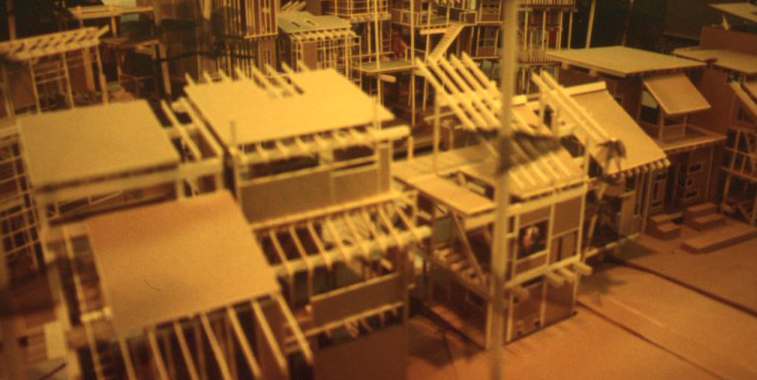
Case Studies/Projects/Student Work
Included are examples of research and teaching activities to demonstrate the connectedness of my scholarly work and the nature of my teaching strategies and values.
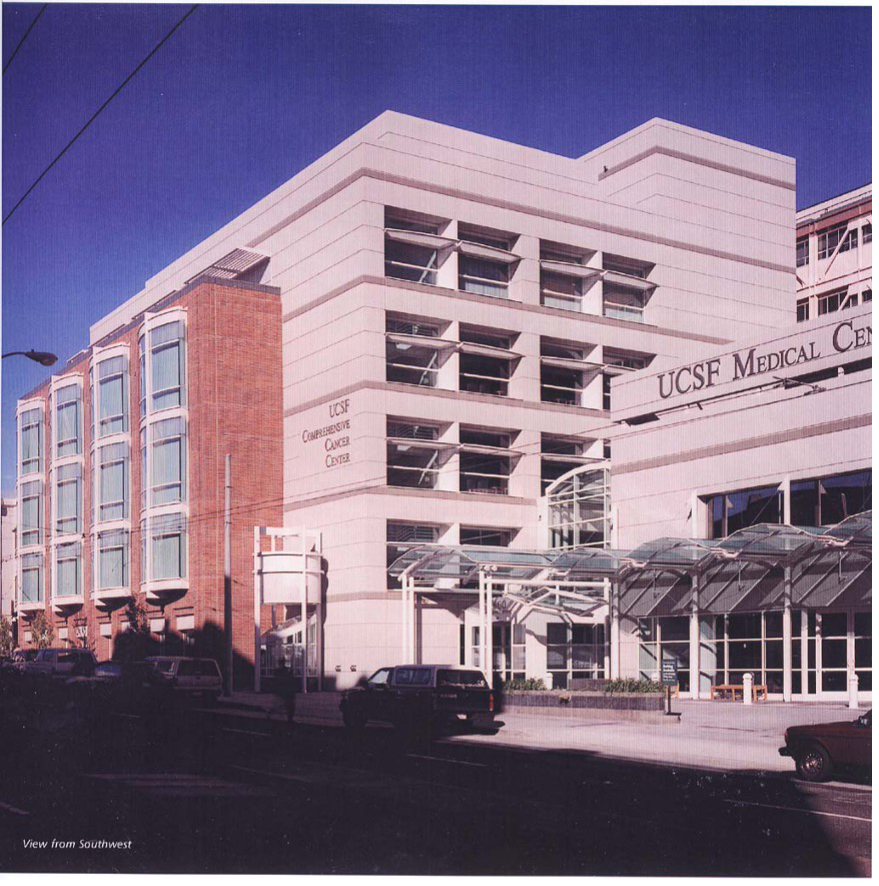
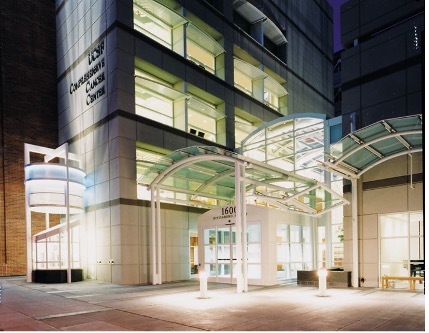
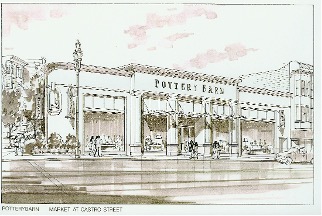
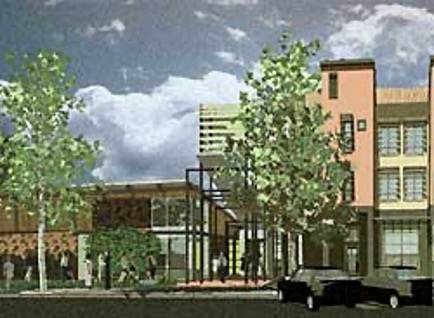
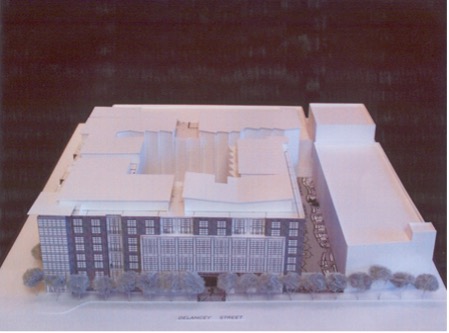
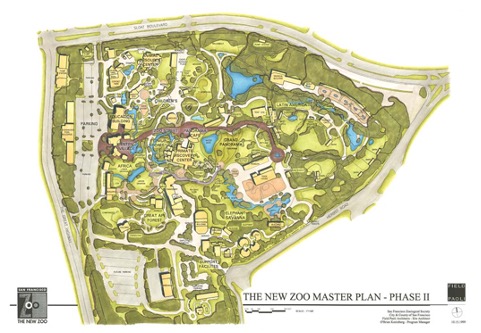
Case Studies: Stories of Practice
For each Case Study click the image to link to a website for the Story
DISCLAIMER
The following pages contain information that has been collected and/or produced as part of the Building Stories course at UC Berkeley. Because of the confidential nature of the information collected for the production of these pages we would ask you to refrain of using it for any purpose different to the navigation of the pages, without the explicit permission of the authors and/or the researchers involved in this project. By clicking on any of the links below, you accept that you agree to use this site under these conditions, and that you will become liable for any unauthorized use of the information and materials contained in the web site. For any additional questions regarding this disclaimer and/or the contents of the website, please email wmmartin@berkeley.edu




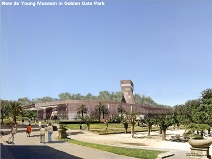
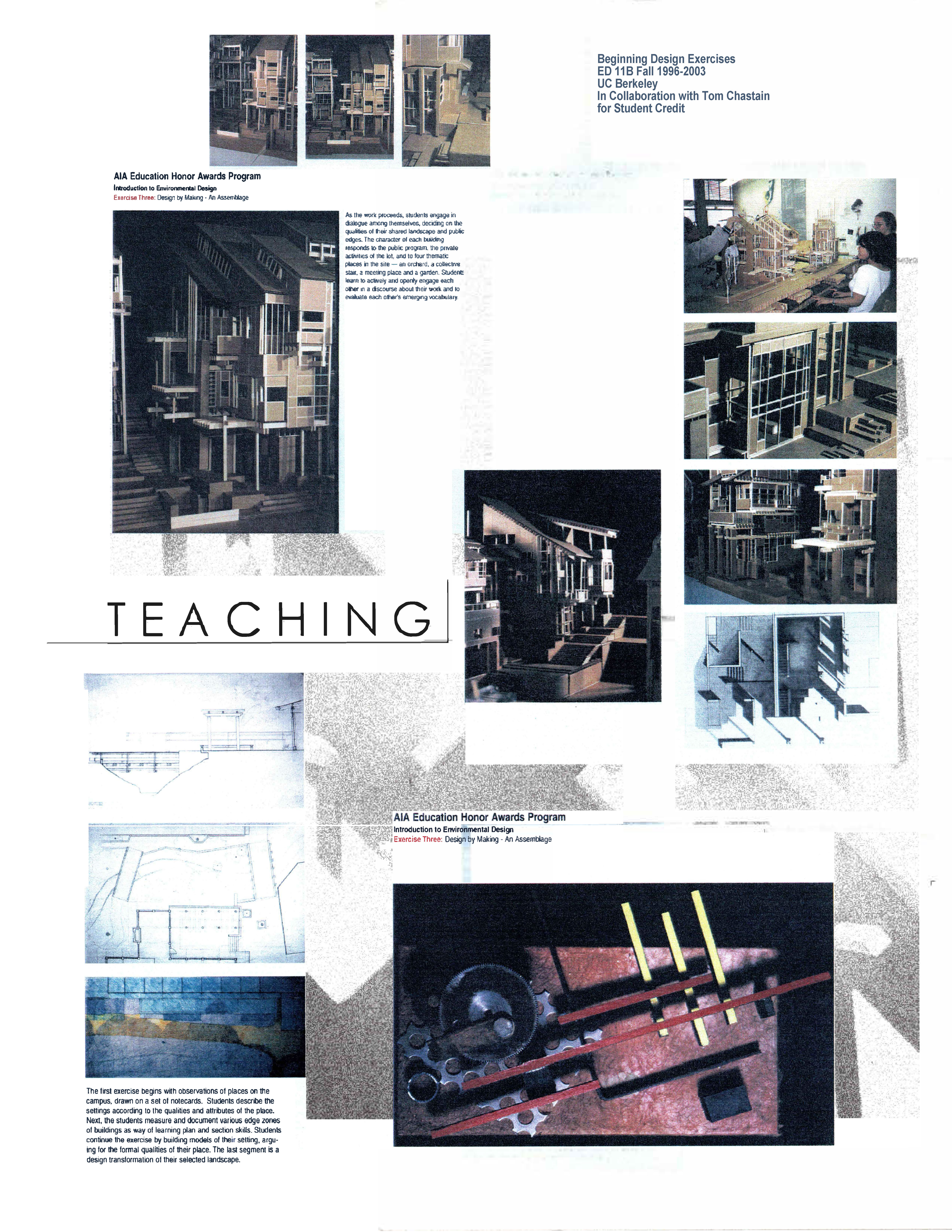
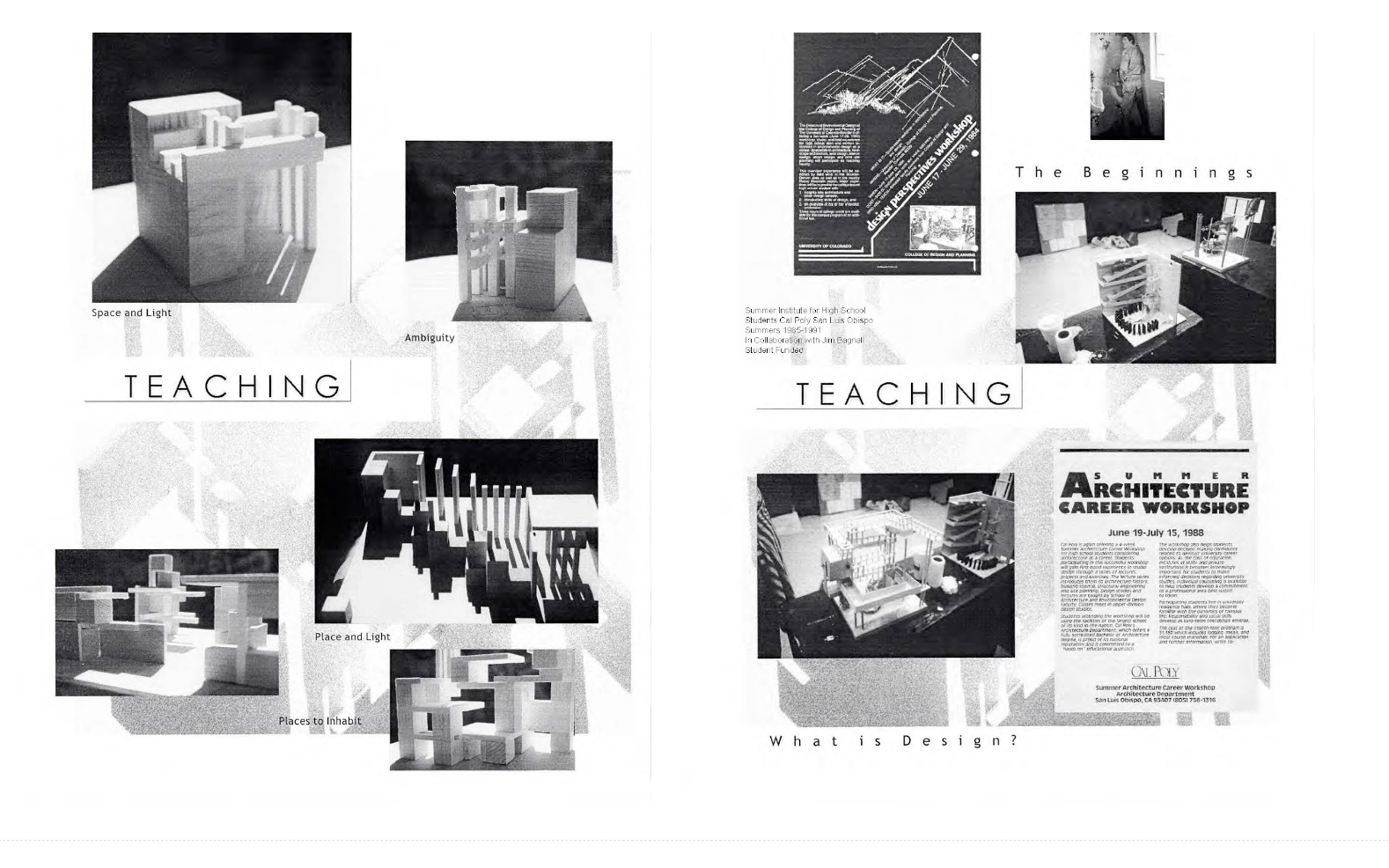
Beginning Design Student Work
Drawing and Representation
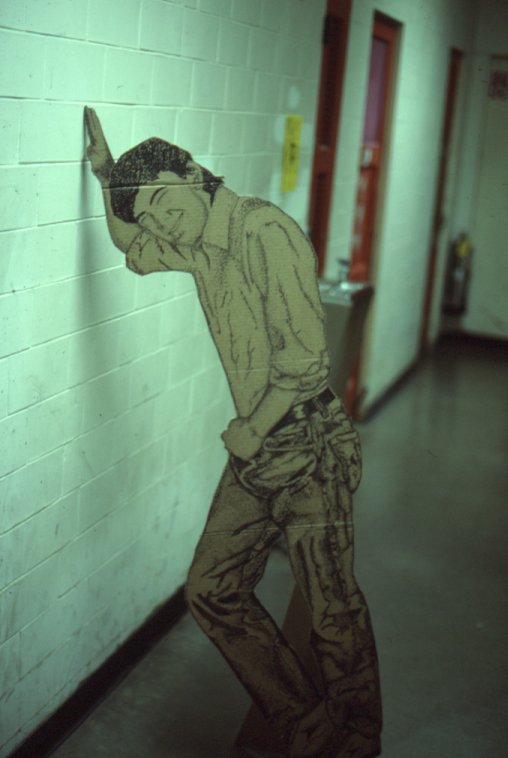


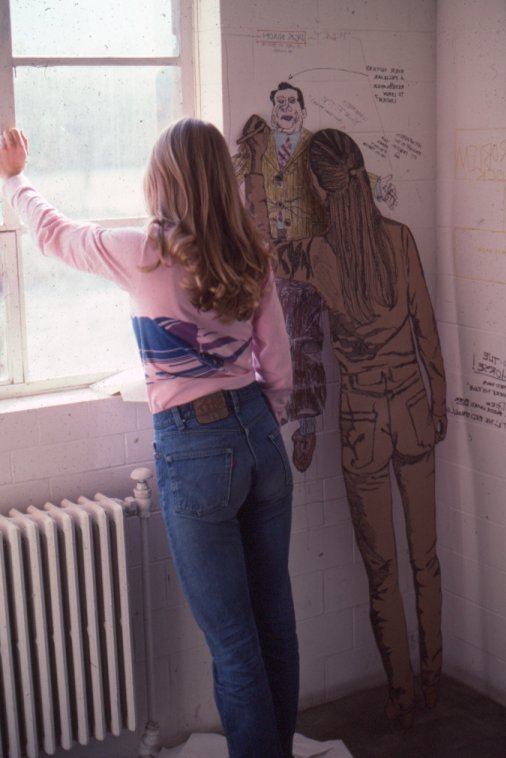

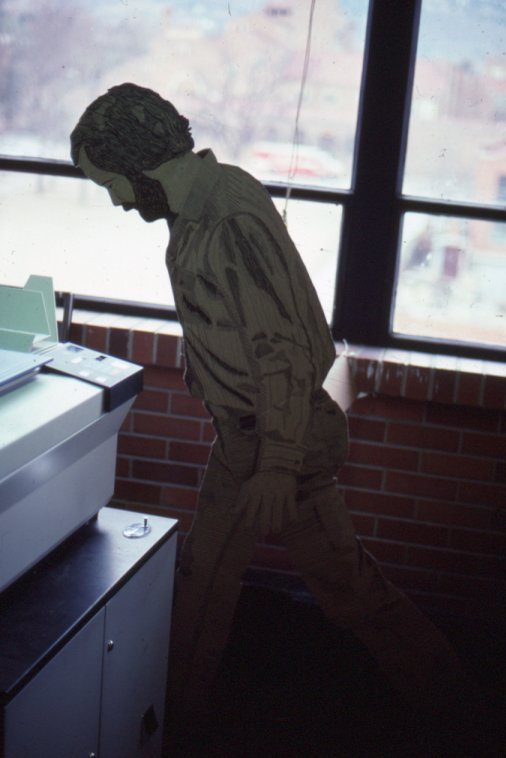
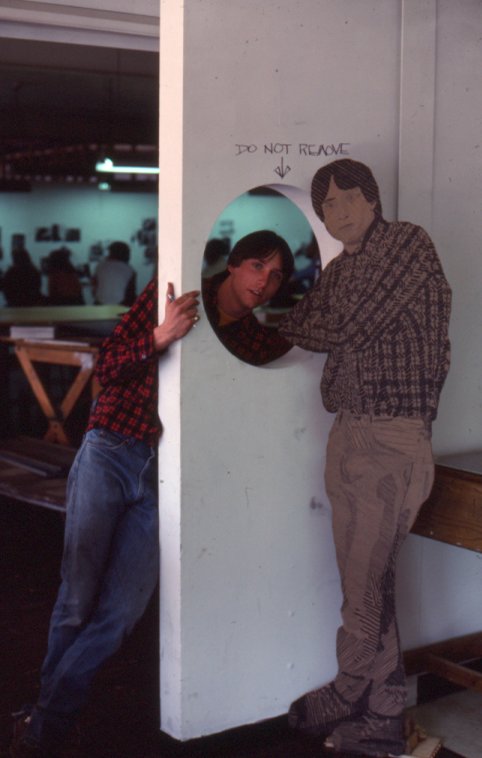
Arch. 24 Design Thinking and Innovation
Design thinking and innovation are key drivers of success for many of today’s leading industries, companies, and institutions. At the center of these activities are processes of knowledge application and skills referred to as design thinking. This type of thinking is nested in a rich history of forms of inquiry and research paradigms. This course will explore the relationship of design thinking to other forms of thinking strategies, as well as connect thinking to the actions of innovation. Much of our future progress, both today and in the years to come, will result from a culture of creative innovation. Specifically, the results of Covid 19 are requiring us to seek a new normal making the attributes of a creative culture more connected to the use of design thinking, but all forms of inquiry are needed to unlock the challenges and potential of our actions. Design action represents a powerful set of methods to engage everyday challenges in almost any discipline or profession. The course will focus on ways of thinking as they relate to changing our environment, our organizations, our discipline, etc. In addition, the course will illustrate some of the characteristics of career paths that are at the center of design thinking and innovation. What follows are examples of projects from the course.
Self Images of Designers
Ideation Tools
Strategies for Prototyping
ENVD 01 People and the Environment
How do buildings and landscapes, the places where we live, become a part of our everyday lives? What makes good places? How do these places come into being? Who creates them? These are the major themes of this course. The course has three primary purposes:
- To learn to look carefully at the buildings, streets, landscapes and settlement patterns that make up our environment
- To learn how and why they came to be and in what ways they change
- To understand how architects, landscape architects, planners and other designers think about their work, how they develop the skills, knowledge, and values so that they can imagine/produce places that result in positive change.
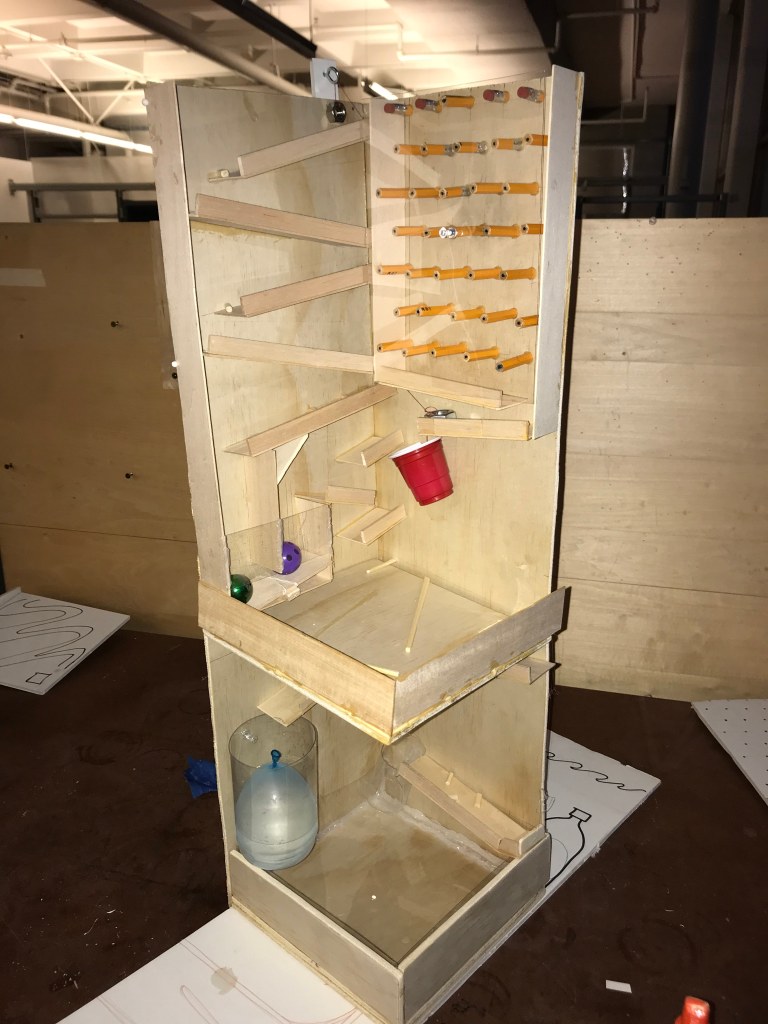
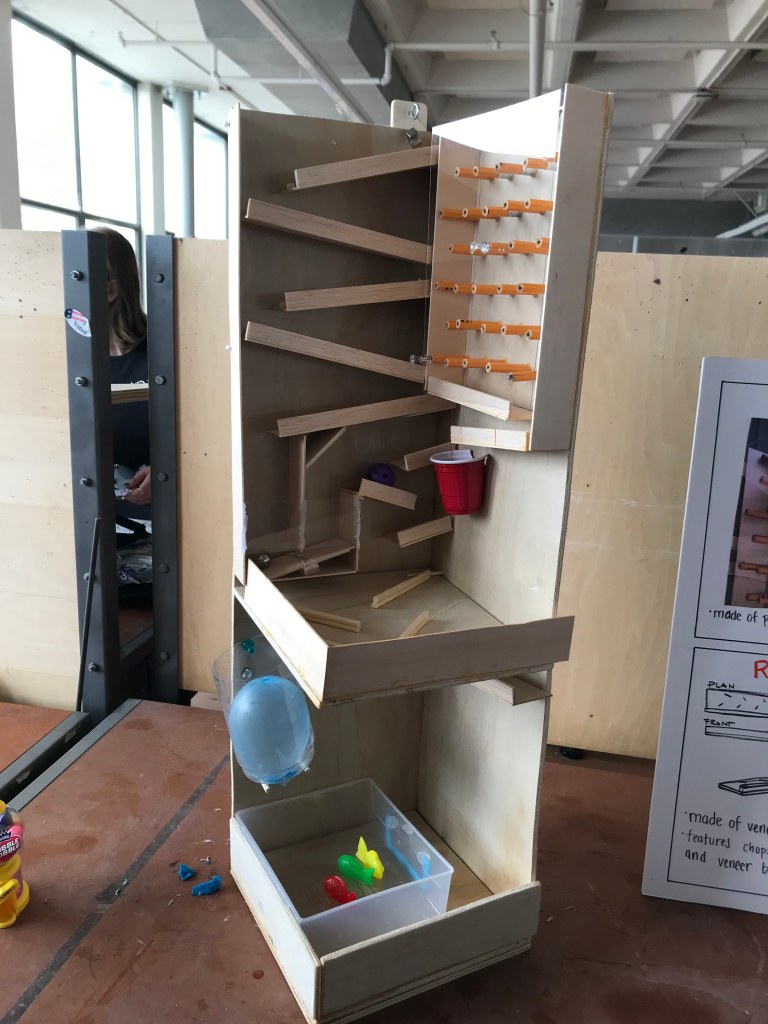
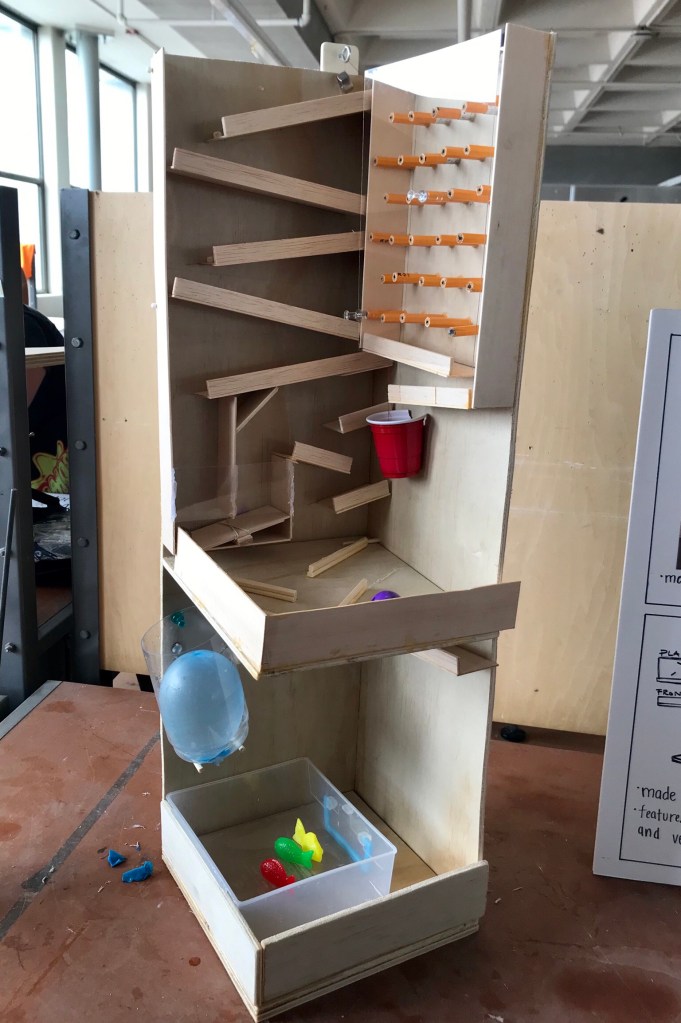
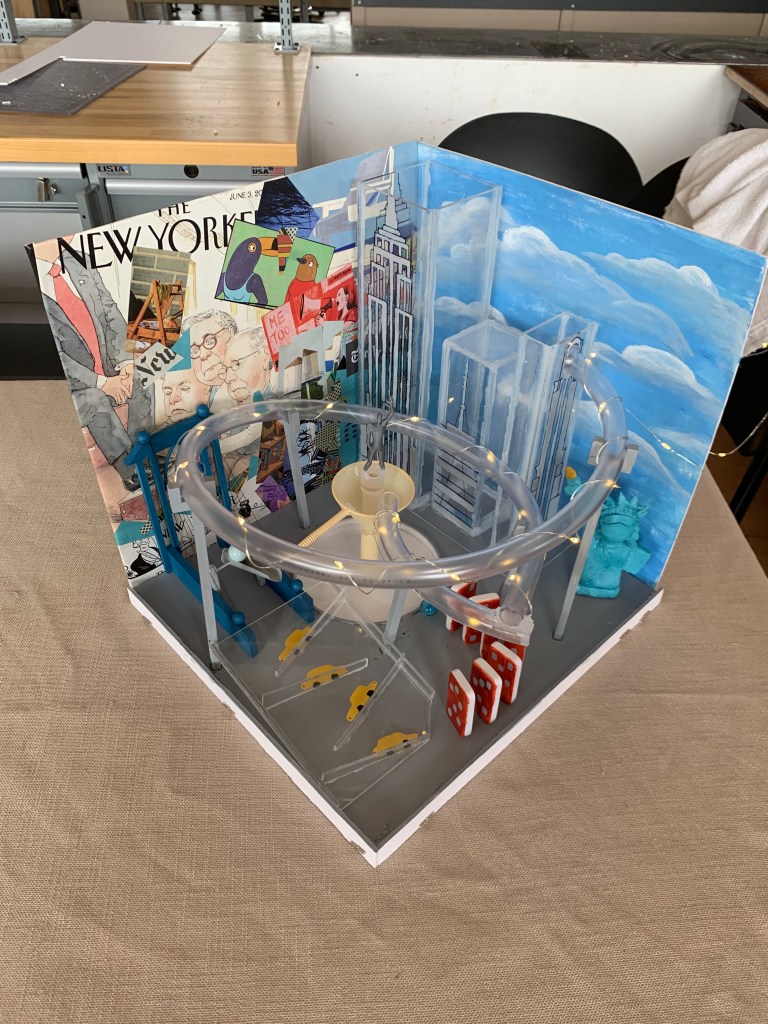
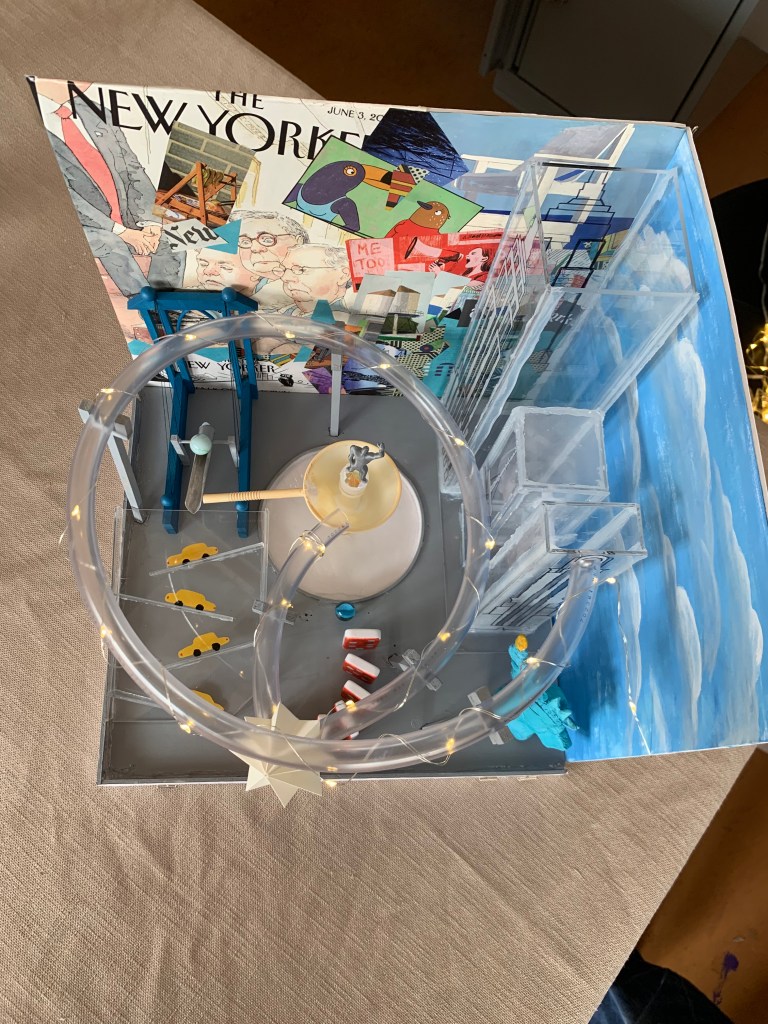

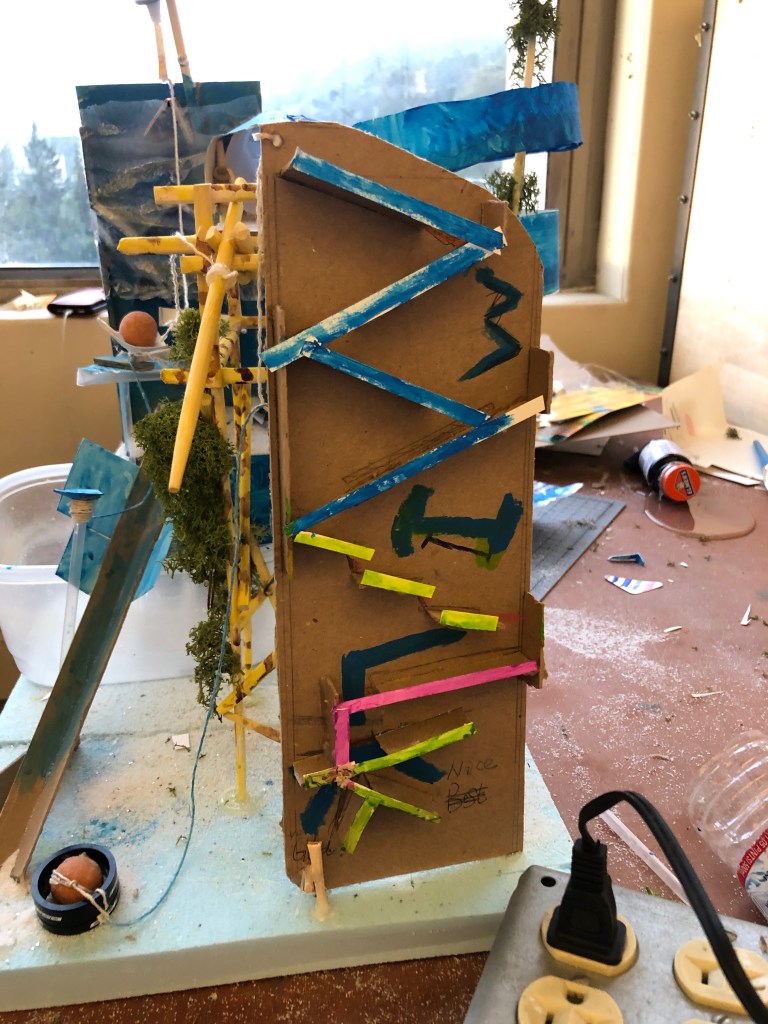

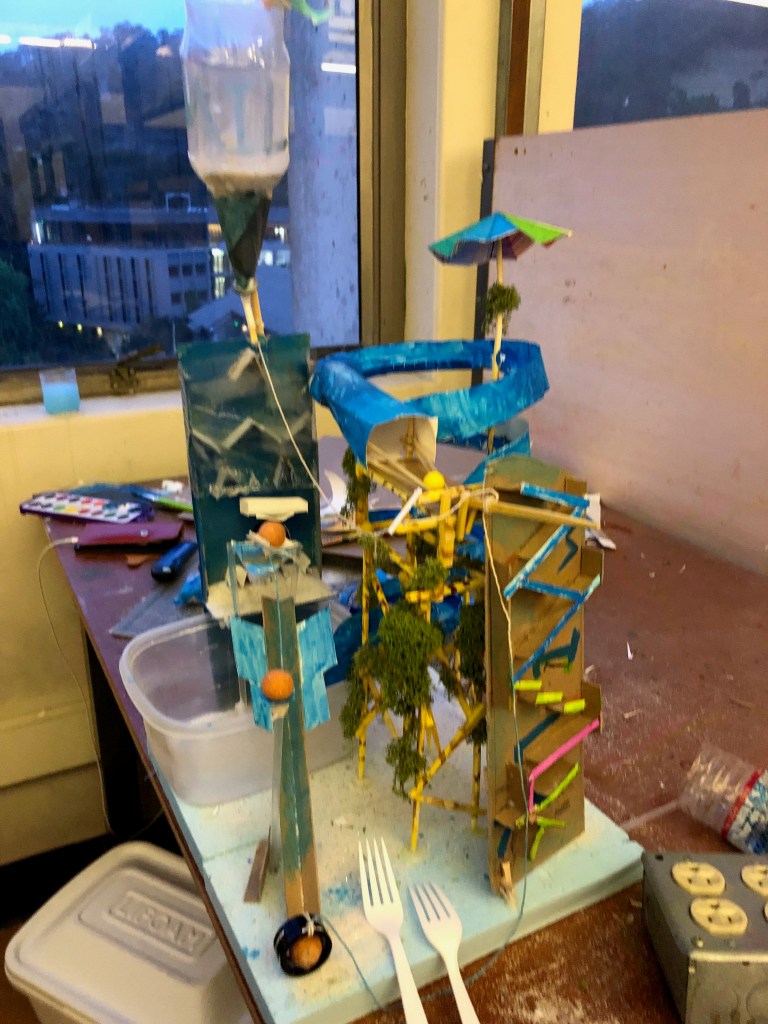
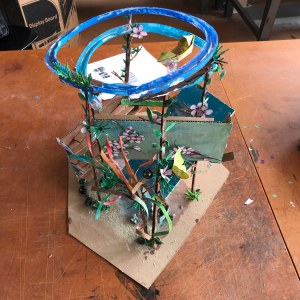
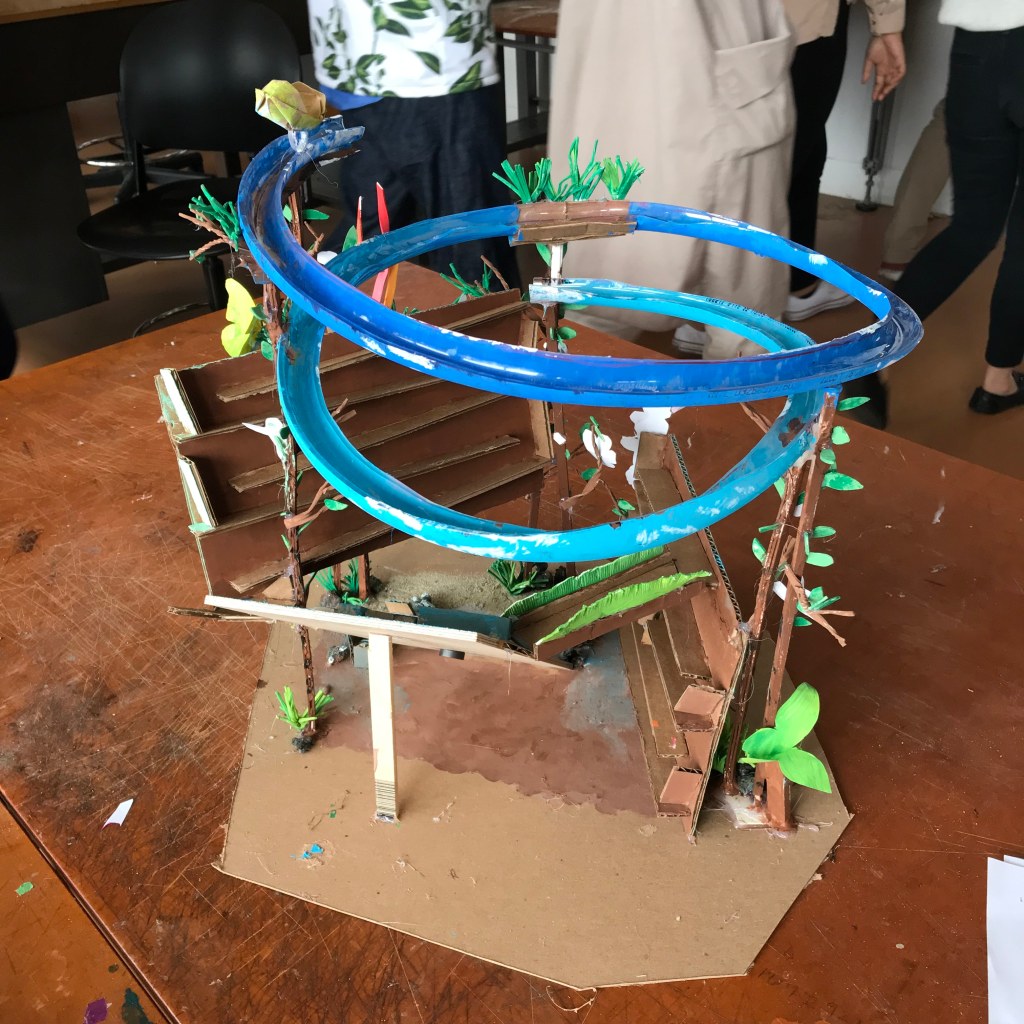
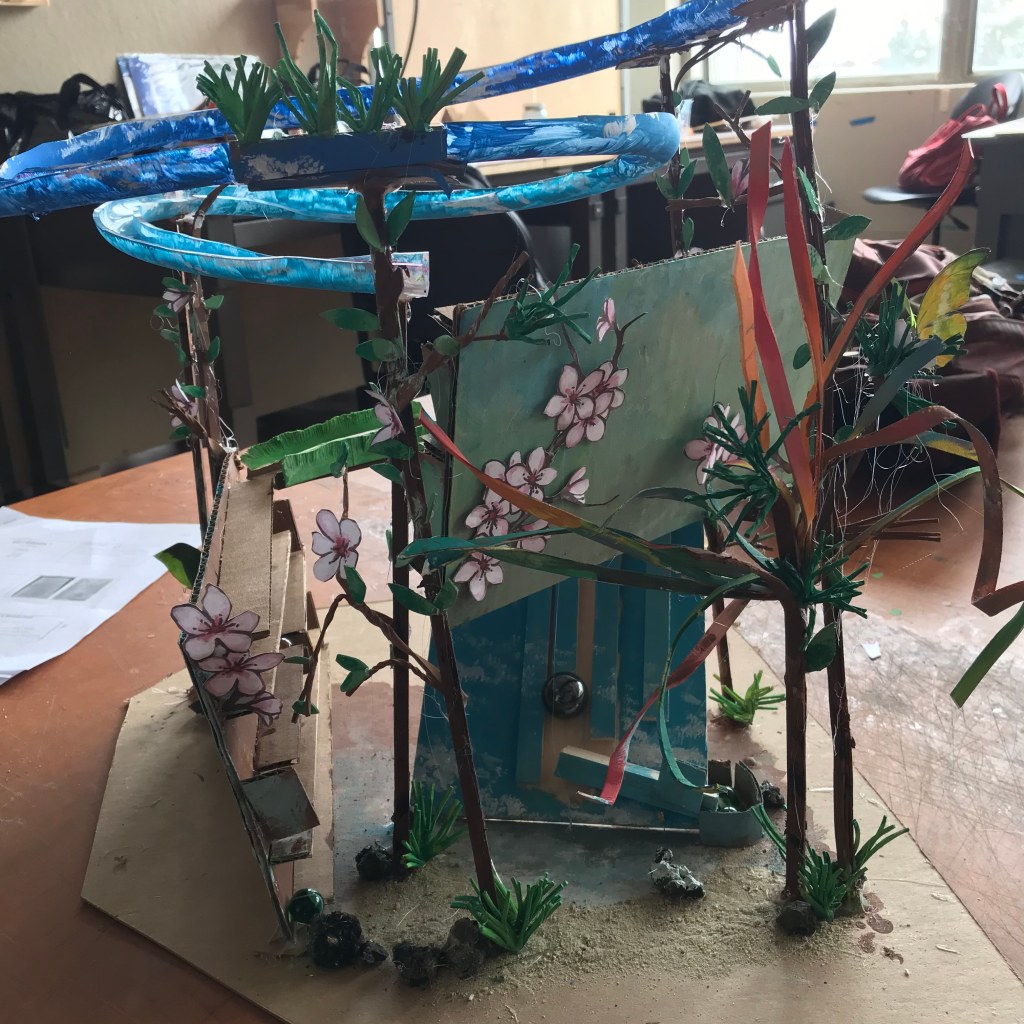
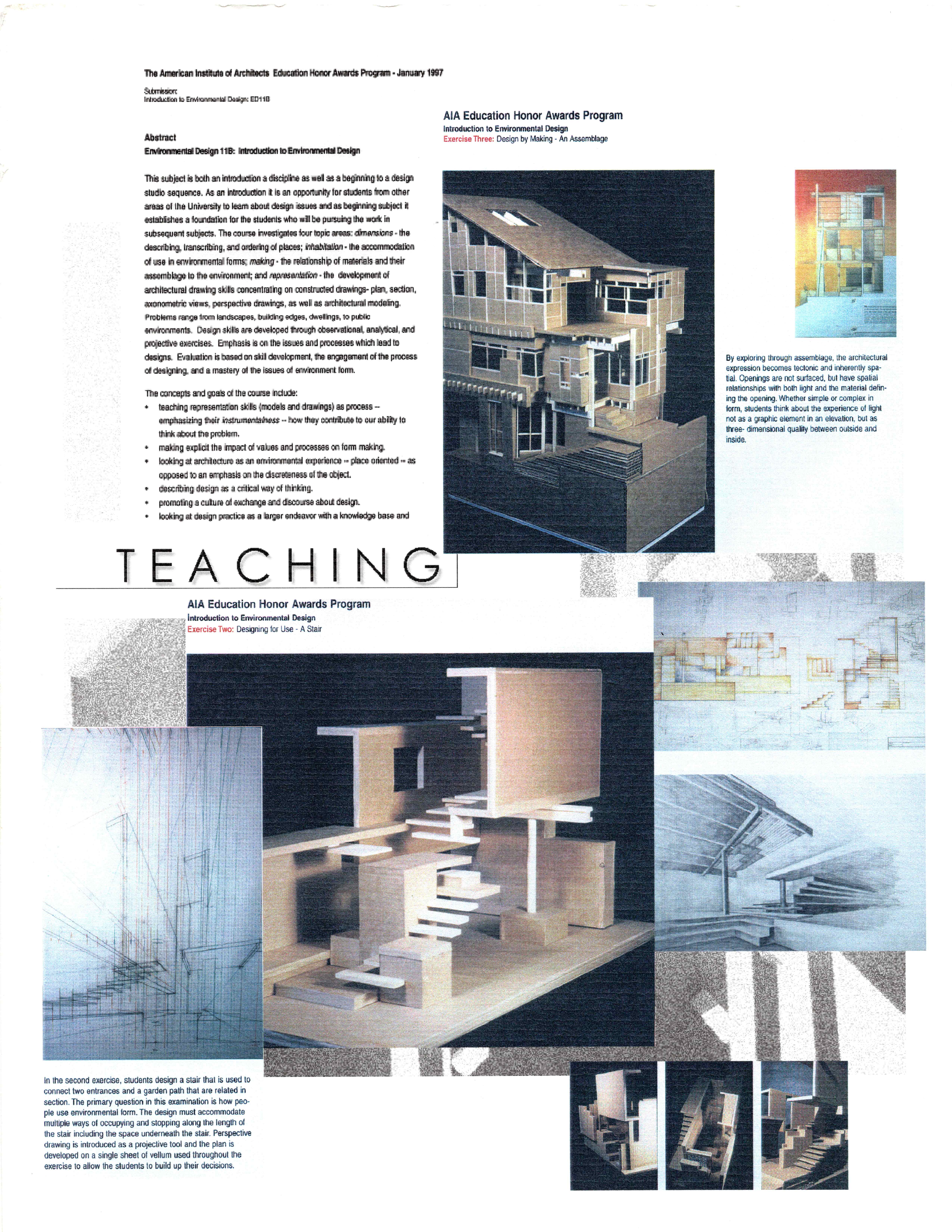
Ed 11B Introduction to Design
ENVD 11B is an introductory course to design concepts and conventions of graphic representation and model building as related to the study of architecture, landscape architecture, urban design, and city planning. Students draw in plan, section, elevation, axonometric, and perspective and are introduced to digital media. Design projects address concepts of order, site analysis, scale, structure, rhythm, detail, culture, and landscape.


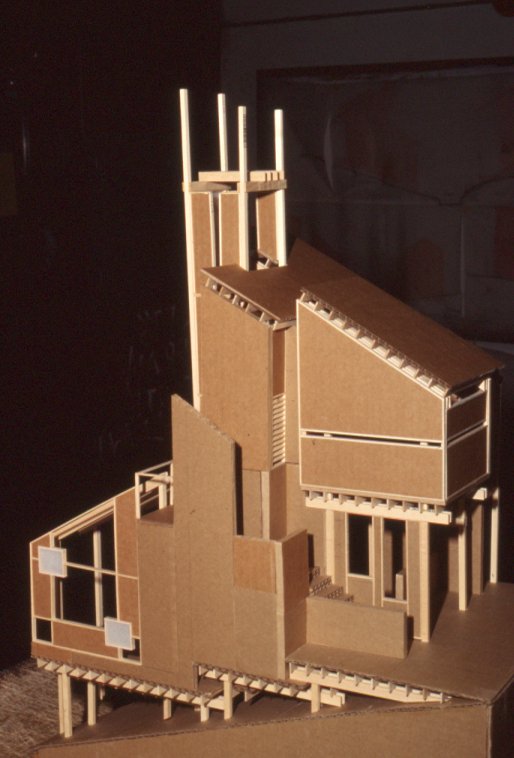

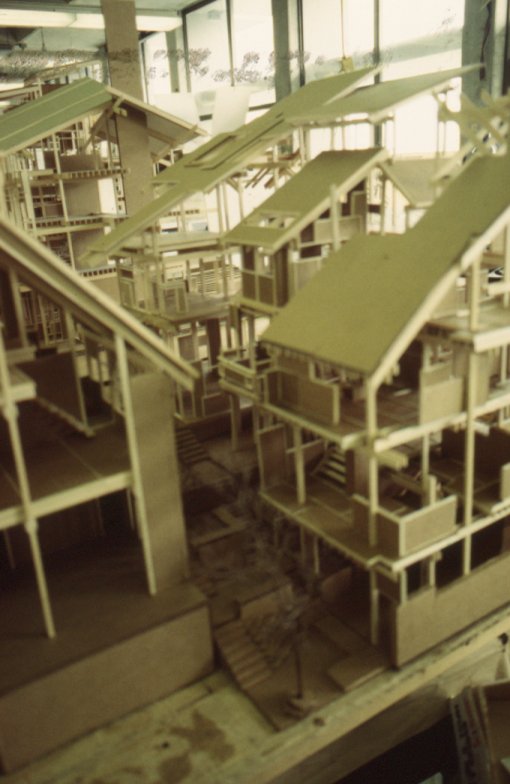
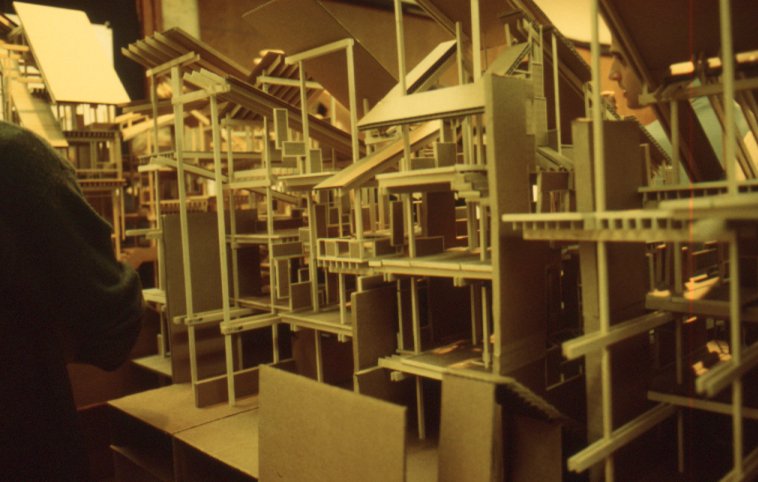
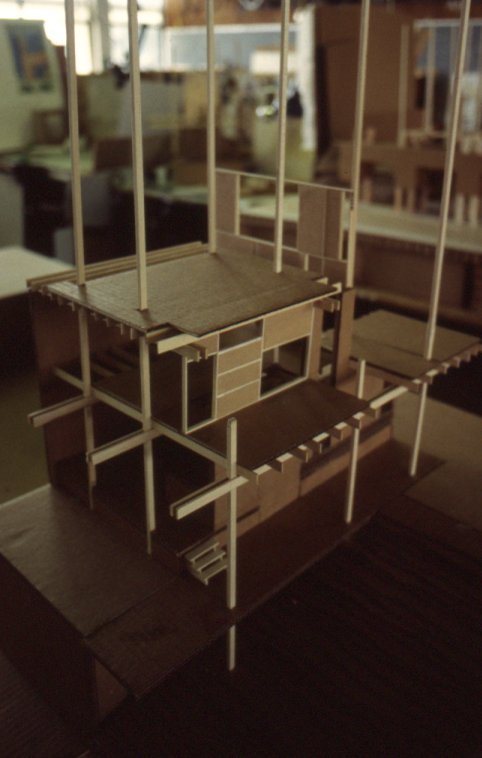

Ford Foundation Head Start School Lafayette Co.
Collaging as Recording Human Environments
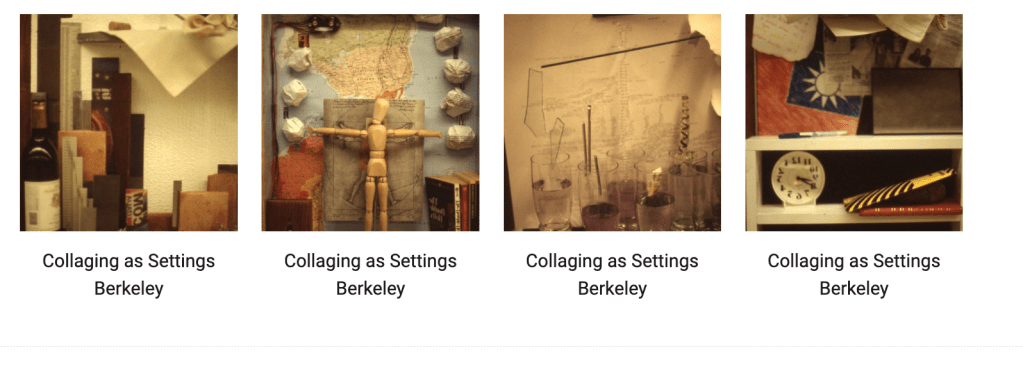
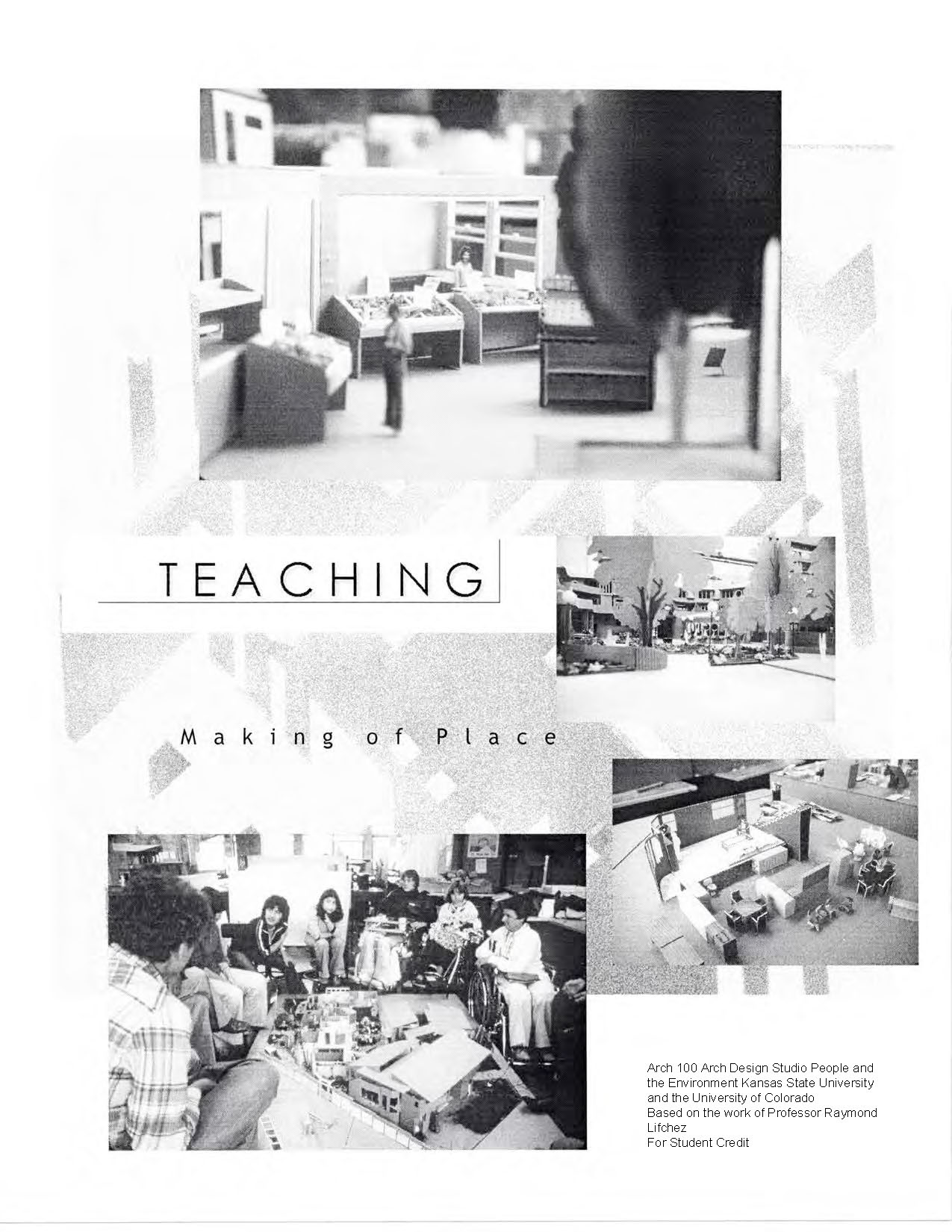
Storytelling as Design Action-Berkeley-Boulder-Manhattan Ks
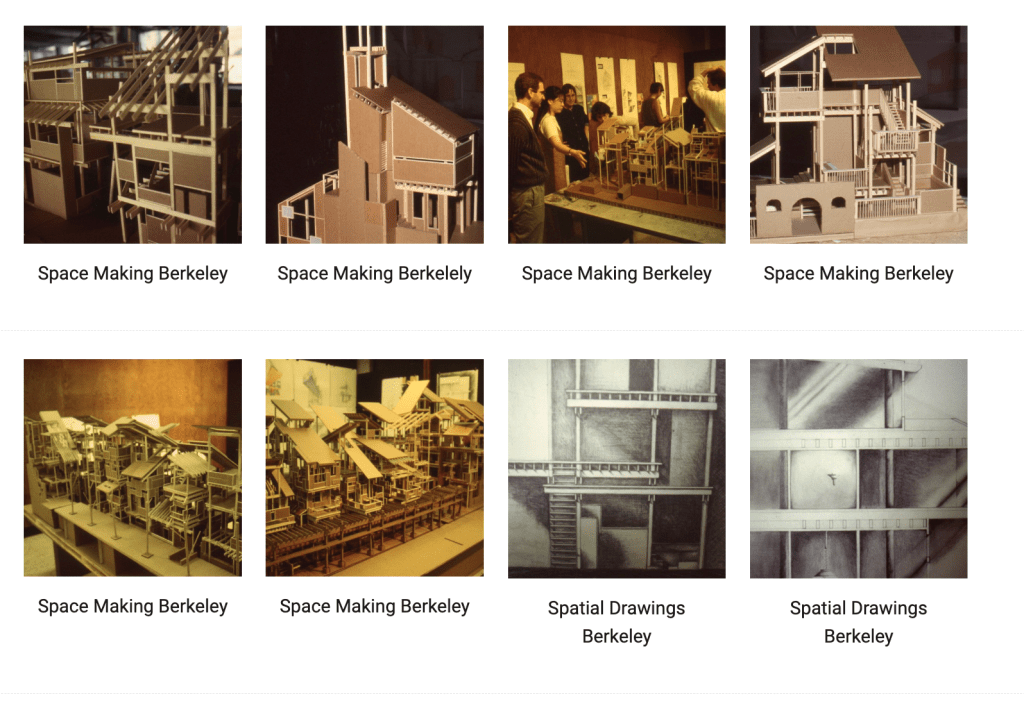
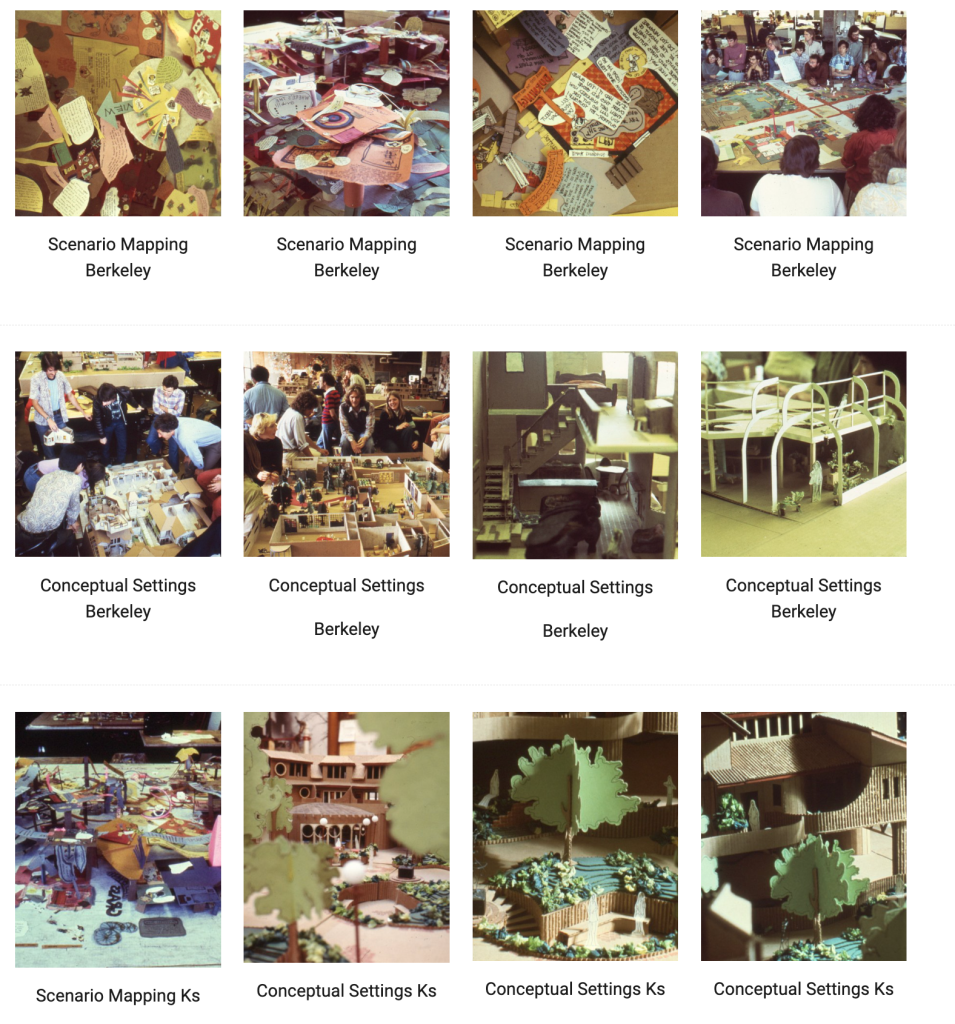
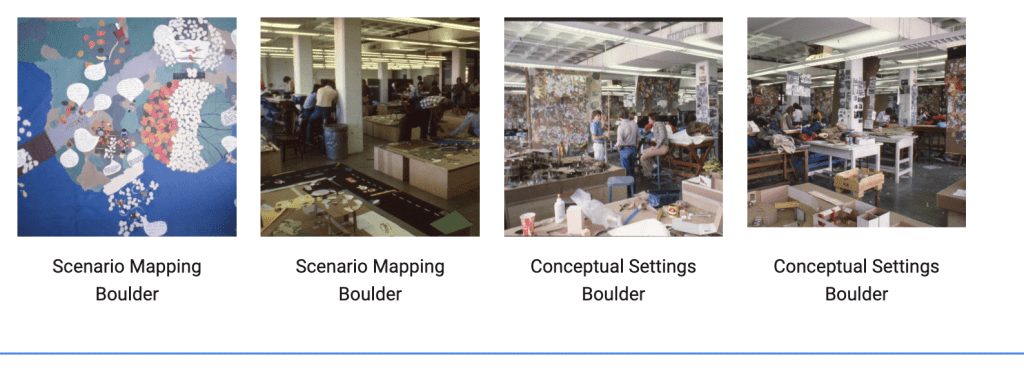
Community Workshop Tennessee Town Topeka Ks.

University for Man UFM Greenhouse Workshop Manhattan Ks

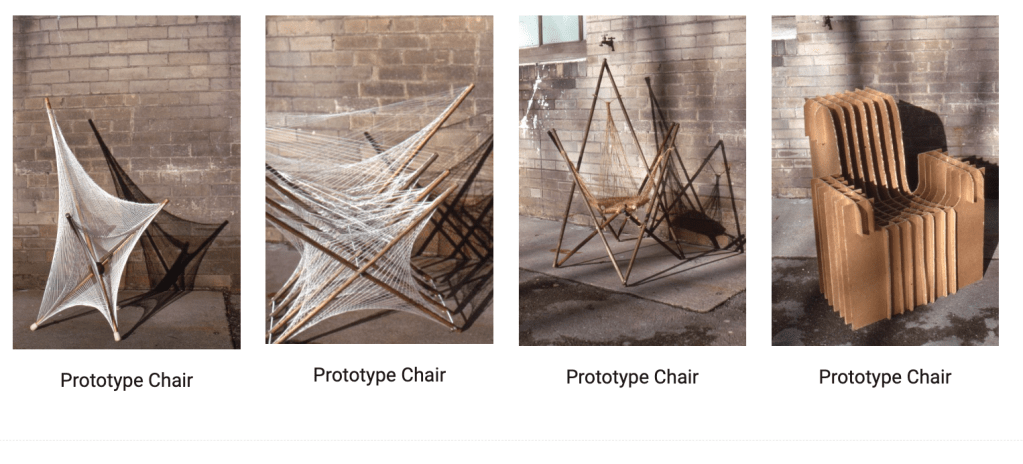
Beginning Student Chair Exploration Univ. Washington Seattle
Case Studies: Architectural Practices Professional Practice Course
Summary Composite Site of Student Work


Student Study Tours
U.S. East Coast Study Tour Royal Danish Academy
https://designpracticegroup.com/wp-content/uploads/2025/12/east-coast-study-tour-1.pdf
The Coastal Landscape of California
https://designpracticegroup.com/wp-content/uploads/2025/12/the-coastal-landscape.pdf
The Switzerland Study Tour Royal Danish Academy
https://designpracticegroup.com/wp-content/uploads/2025/12/switzerlandkompendium.pdf
Japan Study Tour Royal Danish Academy
https://designpracticegroup.com/wp-content/uploads/2024/10/japan-copendium-march-2014-1.pdf
JN

| Office: 510-848-9823 Mobile: 510-559-0328 wmmartin@berkeley.edu | CONTACTS | For speaking requests and inquiries, please contact: W.Mike Martin Phone:510-559-0328 |
 Design Practice Group